Enhancing Mental Well-being at Work: The Crucial Role of Office Furniture
Most offices overlook a simple fact: your choice of office furniture shapes mental well-being every day. Poorly designed workspaces drain focus and lower workplace productivity. This post unpacks how ergonomic design and sustainable materials in office furniture can support your team’s health and output. Explore practical steps to create a workspace that truly works for your people. Learn more about the connection between productivity and office furniture here.
Importance of Ergonomic Design

A well-thought-out workspace can change everything. Let’s dive into how ergonomic design makes a difference.
Impact on Mental Well-being
Ergonomic design isn't just about comfort—it's about creating a supportive environment. When your office furniture fits your body, it reduces stress and promotes mental peace. Imagine sitting in a chair that adjusts to your needs. It provides just the right support to keep you upright and comfortable, reducing the strain on your back and neck. This support can lower stress levels over time, keeping your mind clear and focused.
Consider Jane, who works long hours at her desk. After switching to a chair with customizable lumbar support, she noticed a reduction in fatigue. She felt more energized, which translated into better mood and productivity. When you’re comfortable, your mind stays sharp, and you’re less likely to feel overwhelmed by tasks. More insights can be found in this article on how office furniture can influence mood and morale.
Boosting Workplace Productivity
An ergonomic setup is a game-changer. When you're comfortable, you can focus better, and your efficiency improves. It isn’t just about the chairs; desks play a role too. Desks that allow you to alternate between sitting and standing can boost energy and help maintain focus throughout the day.
Imagine a workspace where every piece of furniture is designed to support your natural movements. Such spaces reduce the time spent adjusting or stretching to get comfortable. In fact, studies show that employees in ergonomic environments can see a productivity boost of up to 25%. Think about how much more you could accomplish with just a few tweaks to your office setup. Explore more on this topic at Haiken's insights on wellness in the workspace.
Sustainable Materials in Office Furniture
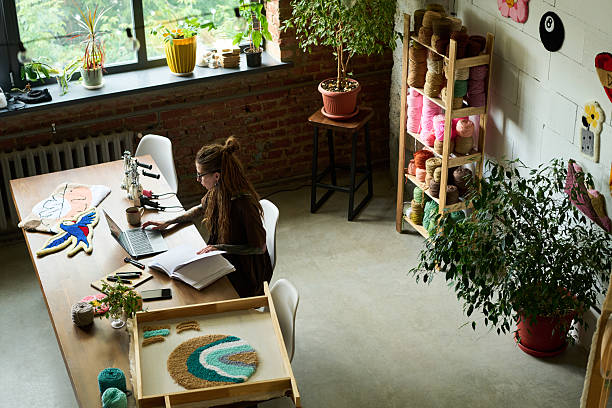
Not only does good furniture support your team’s health, but it can also support the planet. Sustainable materials are key.
Benefits for Employee Health
Furniture made from sustainable materials often includes fewer chemicals
Consider the impact of breathing cleaner air. Employees might experience fewer headaches and less eye strain, both of which are common in offices with poor air quality. Plus, using sustainable materials shows your commitment to health and the environment, boosting employee morale. For an in-depth look, check out this resource on innovative office furniture.
Environmental Considerations
Every piece of furniture you choose tells a story about your company’s values. Opting for sustainable options can reduce your environmental footprint significantly. For instance, choosing desks made from reclaimed wood not only saves trees but also adds a unique aesthetic to your office.
Moreover, eco-friendly furniture often lasts longer due to its quality craftsmanship. This means fewer replacements and less waste. By investing in sustainable furniture, you’re playing a part in preserving our planet for future generations. Explore more about eco-friendly office solutions here.
Choosing the Right Office Furniture

Selecting the right furniture is crucial for creating an effective workspace. Let’s look at how you can make informed choices.
Key Features to Look For
When choosing office furniture, prioritize adjustability and durability. Look for chairs with adjustable heights and lumbar support. Desks should offer flexibility, accommodating both sitting and standing positions. Remember, a well-designed office can prevent physical strain and mental fatigue.
Think about modular furniture that can be easily reconfigured. This flexibility supports different working styles and team needs. Ensure that the materials used are sturdy, promoting longevity. This way, your investment pays off in the long run, both in terms of cost and employee satisfaction.
Tailoring to Workplace Needs
Every office is different, so it's essential to tailor furniture choices to your specific needs. For small spaces, consider compact, multifunctional furniture. Larger offices can benefit from modular solutions that create collaborative zones and private areas.
Think about your team’s daily activities. Do they need quiet spaces for focused work, or open areas for collaboration? Align furniture choices with these needs for maximum efficiency. By doing so, you create an environment where employees can thrive, leading to increased satisfaction and productivity. Embrace the possibilities of a well-designed office space.
In conclusion, investing in ergonomic and sustainable office furniture is a powerful step towards enhancing mental well-being and productivity. Transform your workspace into one that supports both your team and the planet.