Maximizing Office Flexibility: Strategies for Adaptable Layouts with Modular Furniture
Rigid office layouts are holding your team back more than you realize. When your space can’t shift with changing needs, productivity and comfort take a hit. Modular office furniture offers adaptable office layouts that respond to your business’s evolving demands—giving you flexible workspace solutions that work smarter, not harder. Let’s explore practical strategies to optimize your workspace with modular designs that keep pace with today’s office design trends.
Benefits of Modular Office Furniture
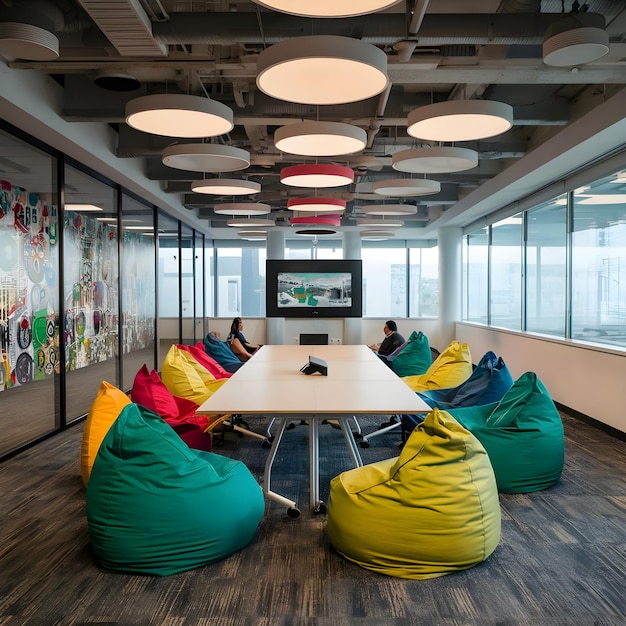
Imagine an office space that changes just as fast as your business does. By introducing modular furniture, you gain a flexible and adaptable environment ready for any challenge.
Enhancing Flexibility and Adaptability
Modular office furniture shines when it comes to flexibility. Think about rearranging desks and chairs effortlessly to accommodate a new project or team. This adaptability not only saves time but also makes your space more efficient. With modular pieces, you’re not stuck in a single layout but can transform your office as your needs evolve, making it perfect for growing businesses.
Another benefit is how modular furniture supports different work styles. Whether your team needs quiet zones for focus or collaborative spaces for brainstorming, modular solutions make it easy. By simply shifting furniture around, you create an office that suits everyone’s needs, boosting morale and productivity. The key takeaway? Flexibility in design translates to flexibility in function.
Boosting Productivity and Well-being
Productivity and well-being go hand in hand in the workplace. Modular office furniture can play a significant role in enhancing both. Employees can personalize their workspaces, adjusting them to suit their preferences and comfort. This personalization can lead to a more comfortable and inviting atmosphere, which encourages focus and efficiency.
Furthermore, the ability to easily reconfigure spaces can reduce stress by adapting to changing work demands. Have a big meeting? No problem—rearrange the modular tables and chairs to fit everyone comfortably. Need a quiet space to concentrate? Modular partitions can create a private nook in no time. By supporting various work styles and needs, modular furniture helps maintain high productivity levels while promoting overall well-being.
Designing Adaptable Office Layouts

Transitioning from benefits to practical design, let’s look at how you can create adaptable office layouts that cater to modern work demands.
Creating Dynamic Workspaces
Dynamic workspaces are about more than just having cool furniture; they’re about fostering creativity and collaboration. Start by considering areas that your team uses most frequently. Is it the conference room or perhaps the break area? Identifying these zones helps you allocate modular furniture to spaces where it will be most effective.
Use a combination of movable partitions, modular desks, and versatile seating to keep the environment fresh and engaging
Embracing Office Design Trends
Staying on top of office design trends is not just about aesthetics; it’s about functionality and future-proofing your workspace. One trend to consider is incorporating natural elements, like plants or wood accents, which can make your office feel more inviting and less industrial. Pair this with modular furniture made from sustainable materials to align with eco-friendly practices.
Another trend is the integration of technology into furniture. Consider modular desks with built-in charging stations or adjustable heights for standing work. This fusion of technology and furniture keeps your office modern and functional. Curious about more trends? Check out these workplace insights for ideas on creating adaptable workspaces.
Implementing Flexible Workspace Solutions

Ready to bring these ideas to life? Here’s how you can implement flexible workspace solutions with ease.
Choosing the Right Modular Pieces
Selecting the right modular pieces is crucial for achieving a truly flexible office. Start with versatile desks and chairs that can be easily rearranged. Look for items like stackable chairs or foldable tables that save space when not in use. These options provide the flexibility to transform your office for any occasion, be it a team meeting or a solo project.
Storage solutions also play a role in flexibility. Mobile cabinets and shelves allow for quick reorganization, keeping the office tidy and efficient. By opting for modular storage, you ensure that your workspace remains organized no matter how often it changes. Remember, the right pieces make all the difference in creating a space that adapts to your business needs.
Tips for Workspace Optimization
To optimize your workspace, consider these practical strategies. First, map out your office layout and identify areas that could benefit from modular furniture. Next, prioritize comfort by choosing ergonomic pieces that support health and well-being. This not only boosts productivity but also reduces strain and fatigue.
Additionally, involve your team in the planning process. Their insights can reveal hidden needs and preferences, ensuring the final design suits everyone. Lastly, don't forget about aesthetics. A visually appealing workspace can improve mood and inspire creativity. For more strategies on optimizing your office space, explore these space management tips.
By embracing modular office furniture and strategic planning, you can transform your workspace into a hub of adaptability and efficiency. Ready to make a change? The longer you wait, the more opportunities you might miss for enhancing your team’s productivity and well-being.