Transforming Hybrid Work Environments with Flexible and Modular Furniture
Hybrid work environments demand more than just desks and chairs—they require furniture that adapts as your team shifts between remote and in-office days. Flexible furniture and modular office solutions let you reshape spaces quickly to support collaboration and focus. In this guide, you’ll learn how smart choices in ergonomic office furniture can boost workspace productivity and employee well-being.
Enhancing Workspace Productivity
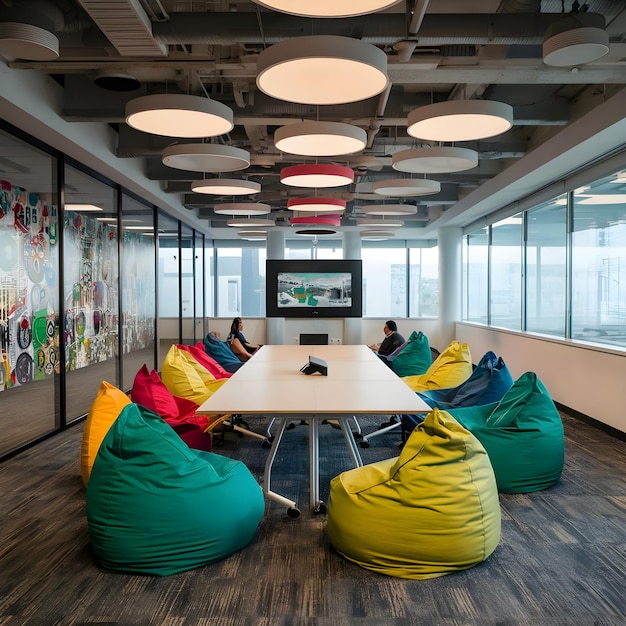
Flexible and modular furniture can significantly enhance your workspace. Let’s explore the benefits and the essential components of these solutions.
Benefits of Flexible Furniture
Flexible furniture is more than a trend; it's a game-changer. Imagine transforming a conference room into a collaborative hub in minutes. With flexible options, you can do just that.
Adaptability: Flexible furniture allows for quick reconfigurations, perfect for hybrid work environments. This means you can easily switch from individual workstations to group settings, boosting productivity as needed.
Space Optimization: By utilizing furniture that can be moved and adjusted, you maximize your office's potential. For instance, collapsible desks and stackable chairs offer easy storage and space-saving solutions.
Employee Engagement: When employees can arrange their space to suit their tasks, they feel more in control. This autonomy can lead to higher job satisfaction and engagement.
Modular Office Solutions Explained
Modular office solutions are designed to evolve with your needs. They provide a versatile foundation for any workspace.
Customization: Modular furniture can be tailored to fit any office layout. This means you can create configurations that best suit your team's workflow. For example, modular workstations can be arranged to support both solo and team tasks.
Cost-Effectiveness: Investing in modular solutions can save money in the long run. As your business grows or changes, these pieces can be reconfigured rather than replaced.
Sustainability: Many modular options are made from eco-friendly materials, aligning with sustainable business practices. This not only benefits the planet but also supports your company’s green initiatives.
Explore more about modular office furniture and its rising popularity in modern workplaces.
Designing for Hybrid Work Environments
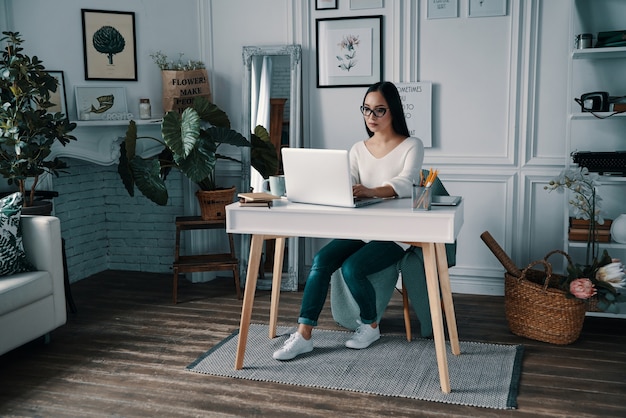
Creating a space that supports hybrid work means balancing collaboration and focus. Here’s how to design with these goals in mind.
Creating Collaborative Spaces
Collaborative spaces are vital for team interaction and creativity
Open Layouts: Use open spaces to encourage communication. Movable partitions and flexible seating can define areas without permanent walls.
Tech Integration: Incorporate technology like shared screens or digital whiteboards to facilitate seamless collaboration, whether employees are in the office or remote.
Comfort Elements: Adding elements like comfortable seating and natural light can make these areas more inviting, enhancing creativity and group dynamics.
For more insights into designing flexible spaces, visit Edge Workspaces.
Ergonomic Office Furniture Essentials
Ergonomic office furniture is crucial for maintaining employee health and productivity. Here’s what you need:
Chairs and Desks: Choose adjustable chairs with lumbar support and desks that cater to sitting and standing. This reduces strain and increases comfort during long work hours.
Monitor Stands: Proper monitor height can prevent neck and eye strain, promoting better posture and focus.
Footrests and Keyboard Trays: Small additions like these can make a big difference in your comfort and efficiency.
Implementing these essentials supports a healthier, more productive workspace. Learn how to adapt office furniture for hybrid work in this article.
Choosing the Right Furniture

Selecting the right furniture involves understanding your unique needs and the options available. Let’s break it down.
Factors to Consider
When choosing office furniture, several key factors come into play:
Space and Layout: Measure your office space to ensure furniture fits comfortably and allows for movement.
Employee Needs: Consider the tasks your employees perform. Ergonomic and adaptable furniture can cater to different workstyles.
Aesthetic and Brand Identity: Furniture should reflect your company’s image. Choose styles that align with your brand values and office culture.
Budget: Balance quality and cost. Investing in durable, high-quality furniture can save money over time.
Most people think that aesthetics come first, but functionality should lead the way when choosing office furniture.
OfficeFurnitureHub Product Highlights
OfficeFurnitureHub offers solutions tailored to modern office needs. Here are some highlights:
Ergonomic Chairs: Designed for comfort and health, featuring adjustable settings to fit any user.
Modular Desks: Perfect for dynamic workspaces, allowing easy reconfiguration to suit different tasks.
Storage Solutions: From sleek filing cabinets to versatile shelving, keep your space organized and efficient.
Meeting and Lounge Furniture: Create inviting spaces for collaboration and relaxation with our modern seating options.
Explore how flexible furniture can transform your workspace in this guide.
By understanding the importance of flexible and modular furniture, you're equipped to create a workspace that meets the demands of today’s hybrid work environment. Each choice you make not only enhances productivity but also supports the well-being of your team.