The Art of Designing Office Spaces: Balancing Aesthetic Appeal with Functional Efficiency
Most office designs sacrifice style for function—or the other way around. Your workspace shouldn’t force you to choose between aesthetic office spaces and practical layouts that boost productivity. This guide shows you how to balance eye-catching design with functional efficiency, using ergonomic furniture and smart workspace optimization to create offices where people thrive. For more insights, visit this resource.
The Importance of Aesthetic Office Spaces
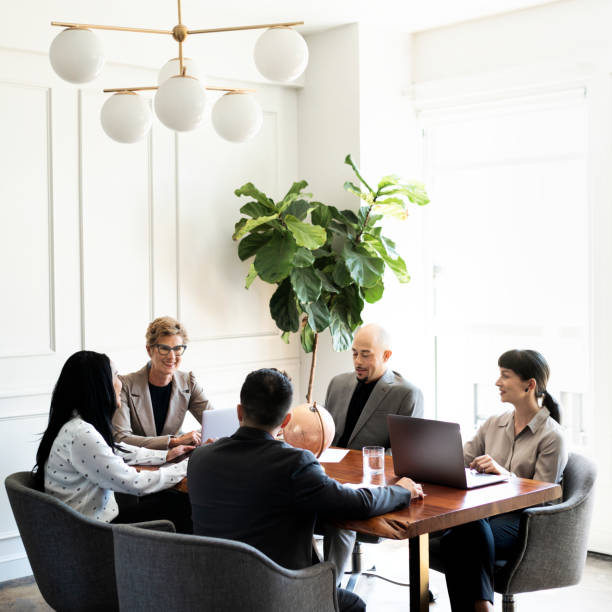
A well-designed office is more than just visually pleasing. It sets the tone for creativity and productivity. By merging aesthetics with functionality, you create an environment where people want to work.
Creating a Visually Inspiring Environment
First impressions matter. Walking into a beautiful office can lift spirits and encourage a positive work attitude. To achieve this, incorporate natural light and use color schemes that reflect your brand’s personality. Artwork and plants can also add a touch of nature and inspiration. For more ideas, explore these aesthetic workspace designs.
Visual appeal boosts morale, but it should also serve a purpose. Use open spaces to encourage collaboration and creativity. A visually inspiring environment doesn't just look good—it feels good too, driving motivation and engagement.
Balancing Style with Practicality
Beauty without practicality can hinder productivity. Choose furniture that complements the design but also serves your team’s needs. Multi-functional pieces, like a desk with built-in storage, can save space and reduce clutter. Prioritize items that serve dual purposes to maintain a clean and efficient workspace.
Striking this balance requires thoughtful planning. Consider the daily activities of your team and ensure the layout supports these tasks. Remember, a stylish office should not compromise on ease of use or comfort.
Enhancing Functional Efficiency

Creating a space that combines beauty and functionality is key to a thriving workplace. Let's dive into how smart layouts and ergonomic choices can elevate your office design.
Smart Layouts for Productivity
A well-thought-out layout boosts efficiency and makes daily tasks smoother
Flexibility is essential. Modular furniture allows reconfiguration for various needs, supporting both group work and individual focus. This adaptability ensures the office remains efficient as work patterns evolve.
Ergonomic Furniture Choices
Comfort should never be compromised. Ergonomic furniture plays a vital role in employee health. Chairs with adjustable features and desks that support proper posture help reduce fatigue. This investment in comfort leads to better focus and productivity.
Consider items like standing desks to promote movement throughout the day. By prioritizing ergonomic selections, you create a workspace that supports long-term well-being and performance.
Achieving Workspace Optimization
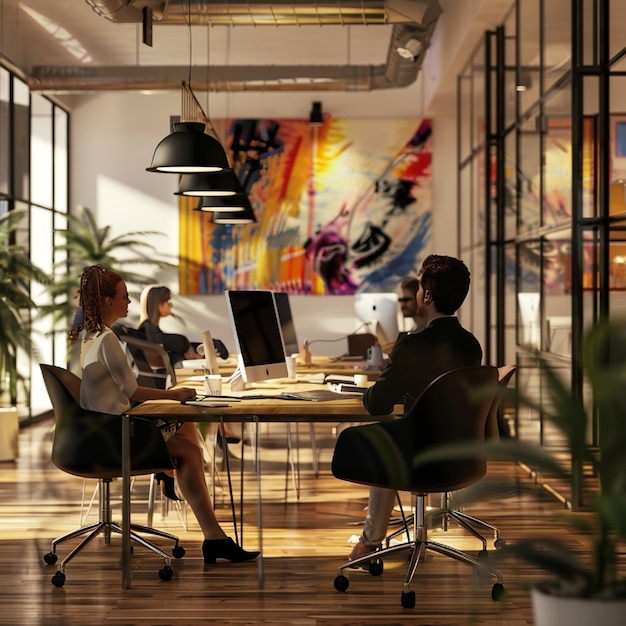
Optimizing your workspace involves more than furniture placement. It’s about making each element work towards a more productive environment.
Integrating Storage Solutions
An organized office is an efficient one. Storage solutions like shelves and cabinets keep clutter at bay, allowing for easy access to essentials. Vertical storage can maximize space without encroaching on the floor plan.
Customized storage solutions ensure that everything has a place, enhancing both function and aesthetics. This strategic organization keeps the workspace tidy and professional.
Choosing the Right Office Furniture
Furniture choice is crucial in office design. Focus on pieces that offer both comfort and durability. High-quality materials ensure longevity, while stylish designs maintain the aesthetic value. Consider sustainability when selecting materials to align with eco-friendly practices.
Your choice of furniture can transform an office. It should reflect your brand and support your team’s needs, making it a place where work flows seamlessly. For more insights, check out these workspace optimization tips.
In conclusion, balancing aesthetic appeal with functional efficiency is key to creating a productive workspace. By focusing on design elements that support both form and function, you foster an environment where employees thrive. Remember, the right choices today can lead to a more successful and satisfying workspace tomorrow.