Future-Proof Your Workspace: The Power of Flexible Office Furniture Solutions
Rigid office setups limit how your team works and grow. When market shifts or team needs change, fixed furniture can leave your workspace stuck and costly to rework. Flexible office furniture offers smart adaptability that keeps your office ready for anything. In this post, you’ll learn how these solutions help create a future-proof workspace that supports health, efficiency, and lasting comfort. Explore more.
Benefits of Flexible Office Furniture
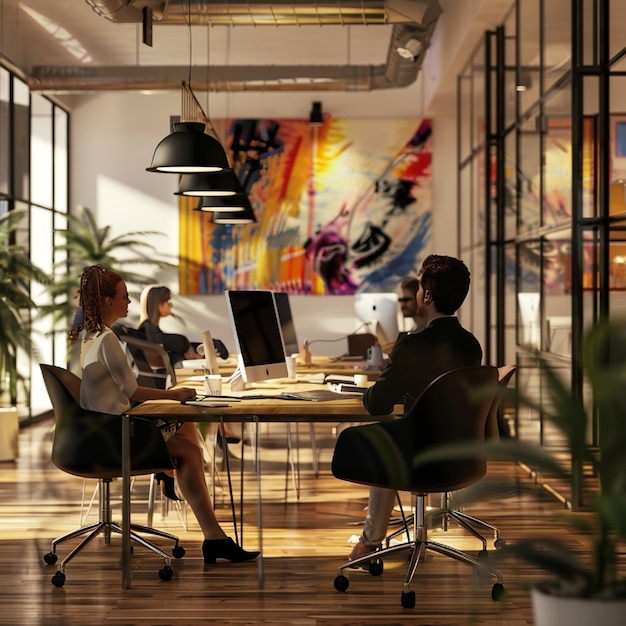
Flexible office furniture isn't just a trend; it's a game-changer for modern workspaces. It enables you to adapt swiftly to shifts in team dynamics or business needs.
Adapt to Changing Needs
Your business isn't static, and neither should your office furniture be. With flexible solutions, you can easily reconfigure your space to accommodate new team members or reimagine layouts for different projects. Modular desks and adjustable seating offer the versatility you need to stay ahead. For example, a company that shifts from individual tasks to group projects can quickly transform its office setup to encourage collaboration.
Quick adjustments save time and costs associated with major office renovations.
Modular furniture allows easy reconfiguration, keeping pace with business changes.
Enhance Employee Well-being
Employee health is a priority, and flexible office furniture supports this by offering adjustable features that promote comfort. Ergonomic chairs and sit-stand desks can significantly reduce discomfort and prevent long-term health issues. Harvard Health notes that standing desks can lower back pain by 54%.
Adjustable furniture helps maintain proper posture.
Reduces risk of injury and enhances overall well-being.
Boost Productivity and Creativity
A well-designed workspace does more than look good; it boosts creativity and output. When employees are comfortable and have a say in their work environment, they perform better. Flexible furniture options make it easy to create spaces that inspire innovative thinking. Think of the difference between a dreary, fixed setup and a vibrant, adaptable space that employees can personalize.
Customizable spaces lead to increased engagement.
Employees feel valued, which enhances motivation and creativity.
Key Features of Ergonomic Solutions
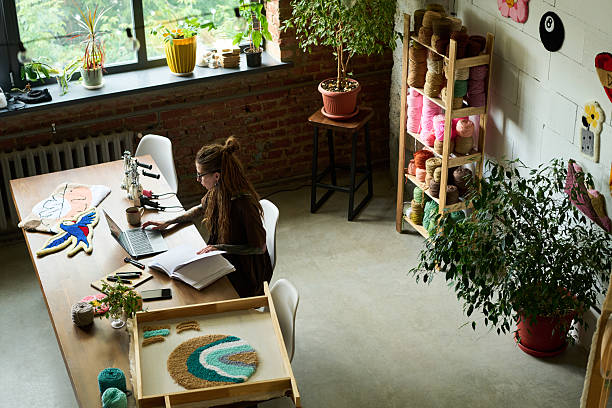
Beyond flexibility, ergonomic solutions play a critical role in fostering a productive workspace. They address physical health concerns while promoting efficiency.
Importance of Modular Desks
Modular desks provide the backbone of a dynamic workspace. They can be configured in countless ways to fit the needs of your team. Imagine a desk that can morph from a solo workstation to a collaborative pod in minutes. This versatility ensures your office remains functional and engaging.
Modular desks support various work styles and team sizes.
Easy to move and reassemble, making them ideal for evolving offices
.
Role of Ergonomic Chairs
A chair may seem minor, but it has a significant impact on employee health. Ergonomic chairs provide support where it's needed most, reducing strain on the body. With adjustable features, they cater to individual preferences, ensuring every employee finds comfort. Studies show that ergonomic chairs can increase productivity by 17%.
Supports natural posture to prevent fatigue.
Customizable features enhance comfort for extended use.
Sustainable Office Furniture Options
Sustainability is more than a buzzword; it's a business necessity. Choosing eco-friendly furniture contributes to environmental goals and reflects positively on your brand. Sustainable options include materials like bamboo, recycled metals, and low-emission composites.
Eco-friendly furniture reduces your carbon footprint.
Aligns with global environmental initiatives, boosting brand image. Learn about sustainable practices.
Implementing Workspace Adaptability
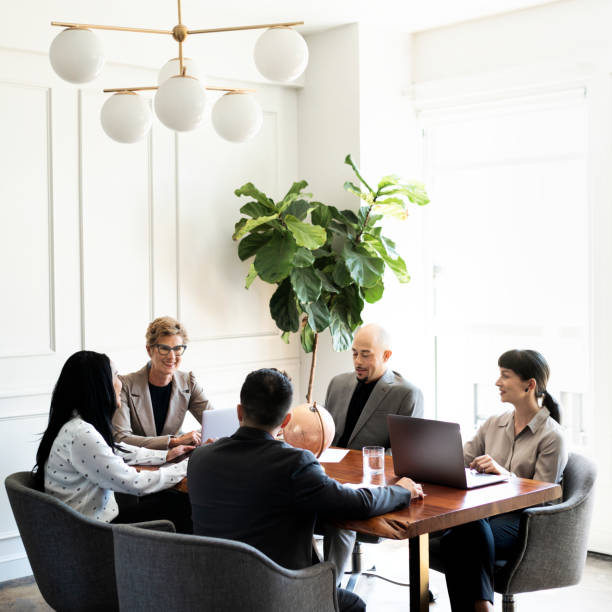
Creating an adaptable workspace is a smart investment for future readiness. It involves intentional planning and the right choices.
Planning for a Future-Proof Workspace
A future-proof workspace is about anticipating change and preparing for it. Start by assessing your current layout and identifying areas that need flexibility. Consider the long-term goals of your company and how your office can support them.
Assess current and future needs for a strategic layout.
Invest in furniture that offers long-term adaptability.
Tips for Choosing Flexible Solutions
Choosing the right solutions involves more than aesthetics. Focus on functionality and durability. Look for furniture that can adapt over time and withstand daily use.
Prioritize versatility: Select items that support multiple uses.
Test for comfort: Ensure furniture meets ergonomic standards.
Look for quality: Durable materials mean fewer replacements.
Encouraging Collaboration and Innovation
The ultimate goal of office furniture is to foster a productive environment. Encourage collaboration by creating open spaces with movable partitions. Use flexible setups that allow teams to interact freely, sparking new ideas and solutions.
Open layouts with flexible partitions encourage teamwork.
Movable furniture supports varied collaboration needs. Explore design trends.
Incorporating flexible office furniture into your workspace is a strategic move toward a more efficient, adaptable, and healthy environment. By making these changes, you're not just keeping up with the times—you're setting the stage for future success.