Enhancing Productivity Through Workspace Aesthetics: The Psychological Impact
Most offices overlook how much workspace aesthetics shape employee productivity. When your office design feels cluttered or uninspiring, it drags down focus and morale. This post breaks down how thoughtful choices in ergonomic furniture and modern workspace solutions create environments where people thrive—so you can build a space that supports both well-being and results. Learn more about the psychological connection here.
Psychological Effects of Workspace Design

Creating a workspace that energizes and inspires can transform how employees feel and work. Let's explore how aesthetics influence mood and productivity.
Aesthetic Influences on Mood
Feelings of comfort and positivity often stem from the environment around you. A well-designed office can boost mood and morale. When you walk into a space that feels welcoming and coherent, it sets a positive tone for your day.
Consider a workspace with clean lines and soothing colors. Employees in such spaces often report feeling more focused and less stressed. Distractions decrease, and focus sharpens when the environment feels orderly and intentional. Discover more about how aesthetics boost your team.
Incorporating art and personal touches can further enhance mood. Personal expression in shared spaces fosters a sense of belonging and comfort. This, in turn, encourages creativity and collaboration.
Impact of Colors and Lighting
Colors and lighting play pivotal roles in shaping an office's atmosphere. Bright, natural light can increase energy levels, while muted tones often create calming environments. Bright colors might invigorate creativity, but too much can overwhelm.
Research shows that natural light increases productivity by up to 15%. It not only improves focus but also reduces eye strain and fatigue. When you're planning a space, think about how colors and lighting can be adjusted throughout the day to match tasks and moods.
Consider adding task lighting or using adjustable hue lights. This flexibility lets you tailor the environment to different needs and times. Explore more insights on how lighting impacts productivity.
Ergonomic Furniture and Productivity
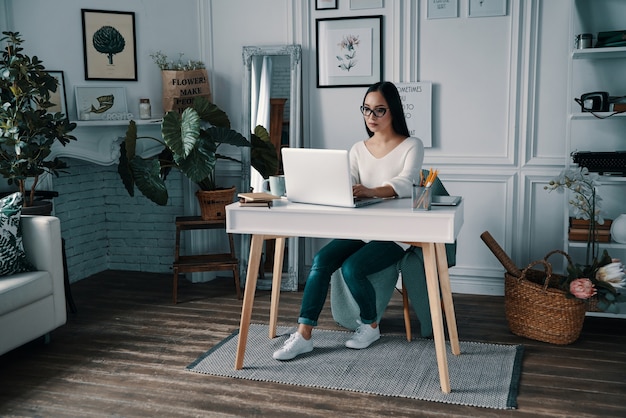
After setting the right mood, it's crucial to focus on comfort and function. Ergonomic furniture is a game changer in workplace efficiency
Benefits of Ergonomic Chairs
Sitting comfortably supports both your health and productivity. Ergonomic chairs are designed to support your posture and reduce discomfort. They adapt to your body, providing lumbar support and adjustable settings to find your perfect fit.
Investing in quality chairs can reduce back pain and other physical strains. This means fewer breaks and a more consistent workflow. Most people think any chair will do, but the right chair makes a noticeable difference.
Ergonomic chairs also contribute to effective teamwork. When you're not distracted by discomfort, you're more present and engaged. This boosts meeting effectiveness and collaboration among teams.
Importance of Adjustable Desks
Having the ability to move between sitting and standing can change your workday. Adjustable desks offer this flexibility, supporting blood flow and reducing fatigue. Learn more about the advantages of standing desks.
Standing keeps you more alert and can increase productivity by 20%. It reduces the risks associated with prolonged sitting, such as cardiovascular issues. Thus, a desk that moves with you not only supports health but also enhances work output.
Switching positions throughout the day keeps your energy levels stable. This simple change often leads to better focus and greater job satisfaction.
Modern Workspace Solutions

To truly optimize a workspace, you need modern solutions that cater to today's dynamic work environment.
Designing for Flexibility
Workspaces that adapt to change are essential. Flexible designs allow you to rearrange and restructure as needed. This adaptability supports different work styles and evolving team needs.
Modular furniture is key here. It allows for quick reconfigurations, whether you're hosting a meeting or need a quiet space. This flexibility helps maintain productivity even as team sizes and tasks change. Explore more about flexible design.
Think about how different elements can be moved or replaced easily. This readiness for change keeps your office current and efficient.
Incorporating Nature Elements 🌿
Bringing nature indoors can have surprising benefits. Plants and natural textures create a calming environment that enhances focus and reduces stress.
Including greenery in your office space can increase productivity by up to 15%. Plants not only improve air quality but also add a touch of tranquility. This connection to nature boosts mental well-being and creativity.
Consider using natural materials like wood or stone in your design. These elements bring warmth and a sense of balance to your office, contributing to a more harmonious workplace.
In conclusion, by thoughtfully considering aesthetics, ergonomics, and flexibility, you can create a workspace that fosters productivity and well-being. Investing in these aspects will not only benefit your employees but also drive overall success.