Creating Workspaces That Encourage Movement: Furniture Design That Reduces Sedentary Behavior
Sitting all day drains energy and slows productivity more than you realize. Your workspace might be the biggest hurdle to keeping employees active and engaged. Smart active office design using height-adjustable desks, dynamic seating, and modular furniture can reduce sedentary behavior at work while boosting well-being and focus. Let’s explore how these movement-friendly workspace strategies create healthier, more productive offices. [https://truline-cis.co.uk/how-an-office-design-can-encourage-movement-and-activity/]
Encouraging Movement With Furniture Design
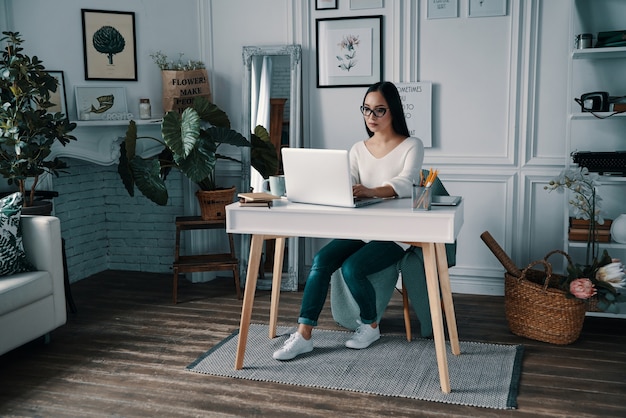
Your office setup might be blocking your team's productivity and health. By focusing on movement, you can transform your workspace into a hub of activity and wellness.
Active Office Design Strategies
Let's kick off with strategies to get your team moving. Picture a workspace where employees naturally shift between sitting and standing. Start by introducing height-adjustable desks. These desks let workers easily switch positions, which can lead to a 20% increase in productivity.
Next, consider adding dynamic seating options. Chairs that allow for slight movements can help keep muscles engaged throughout the day. You might think traditional office chairs suffice, but these options can make a big difference in employee well-being.
Finally, don't overlook modular furniture. This type of furniture supports various activities and team sizes. Arrange seating to encourage movement and collaboration. A flexible office layout can break the routine and spark creativity.
Benefits of Movement-Friendly Workspaces
You might wonder, "Why all the fuss about movement?" The answer lies in the benefits. First, offices that promote movement can cut down on health issues like back pain and obesity. A study found that workers who stand part of the day report fewer aches.
Moreover, a movement-friendly office boosts mood and energy. Employees feel more alert and focused, leading to better performance. When you prioritize movement, you're investing in your team's health and your company's success.
Key Furniture Solutions to Reduce Sitting
Ready to tackle sitting head-on? These furniture solutions make it easy to integrate activity into your workday.
Height-Adjustable Desks and Sit-Stand Workstations
Imagine a desk that rises and falls with a touch. These desks invite employees to change positions throughout the day. Standing for just two hours can burn an extra 170 calories
Consider this: sit-stand workstations can also lower stress and fatigue. Employees have the freedom to adjust their workspace to fit their needs, which can lead to a more personalized and productive environment.
For businesses aiming to reduce sedentary behavior at work, height-adjustable desks are a smart investment. They encourage flexibility and can even cut down on back-related health issues.
Dynamic Seating and Ergonomic Chairs
Chairs that adapt to movement can redefine comfort at work. Dynamic seating allows for slight shifts and movements, keeping muscles engaged. These chairs support natural movement, which can help reduce strain.
Ergonomic chairs are also crucial. They offer support where it's needed most, such as lumbar and armrests. Correct posture is more than a comfort issue; it directly impacts productivity. When your team feels good, they perform well.
Investing in ergonomic office furniture sends a strong message: you care about employee health. It's about creating an environment where everyone can thrive.
Implementing Movement-Friendly Workspaces

You're now equipped with knowledge about movement-friendly furniture. Next, let's explore how to make these changes in your office.
Creating Mobile Collaboration Zones
Think about a space that encourages team interaction. Mobile collaboration zones are flexible areas that can be rearranged easily. These zones support spontaneous meetings and group work, fostering creativity.
Use modular office furniture to create a dynamic environment. This type of furniture can be moved or adapted, making it perfect for changing needs. By allowing employees to shift their work location, you promote a more active office culture.
Explore other tips on designing for movement here.
Enhancing Productivity With Monitor Arms
Let's not forget about monitor placement. Monitor arms and accessories can significantly enhance workspace ergonomics. By adjusting monitors to the right height, you reduce neck and eye strain.
The longer you wait to optimize your office, the more productivity you risk losing. Monitor arms allow for personal adjustment, giving employees control over their setup.
Incorporate these solutions to create a movement-friendly workspace that benefits everyone. With the right furniture, you can elevate both health and productivity. For more ideas, check out this resource.