The Intersection of Technology and Ergonomics: How to Future‑Proof Your Office Furniture
Smart office furniture isn’t just a trend—it’s a necessity for any future-proof office. When technology and ergonomics come together, your workspace becomes a tool that boosts productivity and supports employee well-being. In this guide, you’ll find practical steps to choose ergonomic office chairs, height-adjustable desks, and modular solutions designed to adapt as your needs change. Let’s explore how to create a workspace that works as hard as you do. Learn more from this insightful article.
Understanding Technology and Ergonomics

To stay competitive, integrating technology with ergonomic design is key. This mix not only boosts productivity but enhances employee satisfaction. Smart office furniture forms the backbone of this transformation.
The Role of Smart Office Furniture
Imagine chairs that adjust automatically to your posture or desks that remind you to stand. This isn't sci-fi; it's the reality of smart office furniture. These innovative pieces are gaining traction for their ability to boost efficiency and comfort. Smart desks, for instance, can be programmed to move to your preferred heights throughout the day, reducing strain and fatigue.
When you incorporate technology into furniture, you create a dynamic workspace. Think of desks with built-in charging stations or chairs that track your sitting habits. The result? A more engaged workforce and a future-ready office.
Benefits of Ergonomic Office Chairs
Ergonomic chairs aren't just chairs; they're investments in health. With adjustable lumbar support and armrests, these chairs adapt to individual needs, reducing the risk of back pain. Studies show that 70% of office workers report fewer aches when using ergonomic seating.
Moreover, ergonomic chairs promote better posture, which can increase focus and productivity. A more comfortable employee is a more productive one, making these chairs crucial for any office setup.
Importance of Height-Adjustable Desks
Height-adjustable desks are more than a trend; they're a necessity in modern offices. These desks allow users to switch between sitting and standing, fostering a more active workday. This flexibility can lead to a 20% increase in productivity, according to various studies.
Besides, standing desks contribute to better health by reducing the risk of chronic diseases linked to prolonged sitting. For businesses, this means healthier, more engaged employees and fewer sick days.
Strategies for Future-Proofing Your Office

Adapting to the future of work requires strategic planning. By embracing hybrid workspaces, IoT integration, and sustainable furniture, you ensure your office remains relevant and effective.
Creating Hybrid Workspaces
Hybrid workspaces blend in-office and remote work, offering flexibility. This setup requires adaptable furniture that can be reconfigured easily
By adopting a hybrid model, you're catering to diverse work styles. This flexibility not only attracts talent but also fosters a culture of innovation and inclusivity. Explore further on creating hybrid offices.
Integrating IoT Sensors and Workspace Analytics
The Internet of Things (IoT) can transform office spaces through real-time data. Imagine sensors that track room occupancy or air quality. This data helps in optimizing space usage and improving environmental conditions.
Workspace analytics provide insights into how your office is used, helping to streamline operations and improve employee experiences. This tech integration ensures your office evolves with your business needs.
Modular and Sustainable Office Furniture
Modular furniture offers the flexibility to reconfigure spaces quickly. This adaptability is crucial for growing businesses or those embracing hybrid work models. Sustainable furniture, made from eco-friendly materials, aligns with global environmental goals and showcases corporate responsibility.
Choosing modular and sustainable options not only supports the planet but also future-proofs your office. It assures you can adapt to changes without the need for constant investment in new furniture.
Practical Framework for Office Space Planning
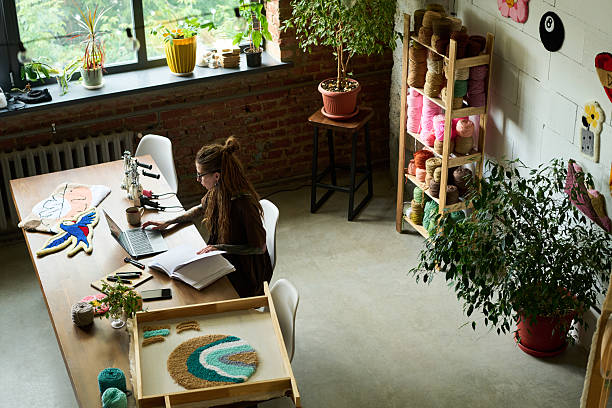
To create a smart, ergonomic office, consider practical elements like cable management and employee well-being. These details contribute significantly to a productive workplace.
Effective Cable Management Solutions
A clutter-free environment is essential for focus and efficiency. Effective cable management helps keep workspaces tidy, reducing tripping hazards and improving aesthetic appeal. Use cable trays or under-desk organizers to keep cords out of sight.
Managing cables also makes technology integration smoother, allowing for easy access and adjustments. A neat workspace promotes a clear mind, boosting productivity.
Designing with Employee Well-Being in Mind
Employee well-being should be at the heart of office design. This includes ergonomic furniture, natural lighting, and air quality enhancements. Offering comfortable and supportive environments leads to happier, healthier employees.
Simple changes, like adding plants or using color psychology, can greatly impact mood and focus. Prioritize spaces that encourage movement and interaction for a more dynamic work culture.
Acoustic Booths for Productivity and Privacy
In open offices, noise can be a major distraction. Acoustic booths provide a quiet space for focus and privacy, essential for calls or deep work. These booths can be standalone units or integrated into existing layouts.
Offering quiet zones in busy offices helps maintain productivity and gives employees a retreat from the hustle and bustle. Investing in acoustic solutions shows a commitment to employee satisfaction and work quality.
By integrating these strategies, you're not only enhancing workplace productivity but also ensuring your office is ready for the future. The investment in technology and ergonomics today sets the foundation for a thriving workspace tomorrow.