Designing for Dialogue: Furniture Layouts That Strengthen Team Communication
Most open offices struggle with noise and distractions that kill team communication. Your furniture layout could be the missing link to better collaboration and clearer dialogue. In this post, you’ll find practical office layout ideas that create meeting zones, breakout spaces, and acoustic solutions to support stronger team dynamics. For more insights, visit this article.
Effective Office Layouts
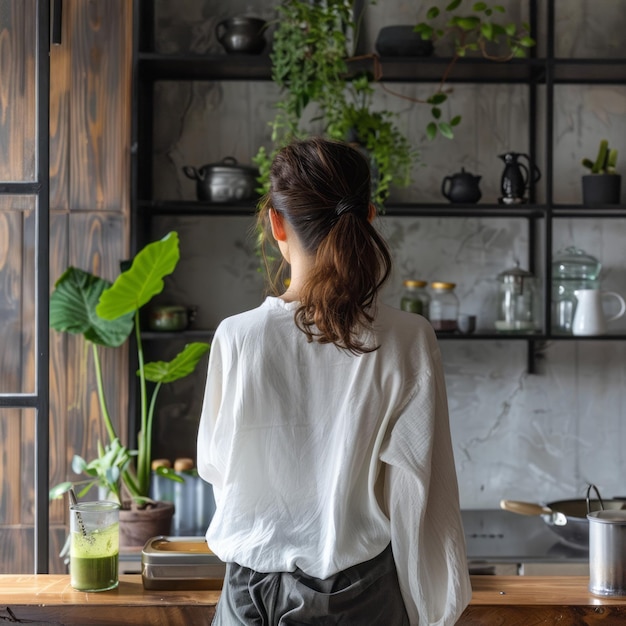
A well-planned office layout does more than look good. It can significantly boost team communication and productivity. Let's explore how different zoning strategies can help.
Zoning for Communication
Creating distinct zones in your office encourages focused work and lively collaboration. Start by setting up different areas for different activities. Meeting zones with round tables invite discussion, while quieter zones should be for focused work. This mix makes sure that every task has its space. Breakout spaces, comfy and informal, can spark creativity. They provide a spot for quick chats that might not happen in formal settings. By clearly defining each zone, you guide your team to the right space for the right task.
Furniture Placement Strategies
The way you place furniture affects movement and conversation flow. Arrange desks in pods to encourage teamwork. When employees sit together, they communicate more. But don't forget personal space. Office partitions can help balance openness with privacy. To promote easy access, place shared resources like printers or files centrally. This setup reduces unnecessary walks and interactions become more purposeful. A well-thought-out layout fosters a more natural communication flow.
Acoustic Solutions for Quiet Zones
Open-plan offices are notorious for noise. Introducing acoustic solutions can make a big difference. Use acoustic panels to dampen sound and reduce distractions. These panels can be creatively integrated into decor, adding both style and function. For individual quiet, consider acoustic pods. They're great for calls or focused work. With the right sound management, you create a more peaceful environment that supports concentration. Discover more about these solutions here.
Collaborative Workspace Design
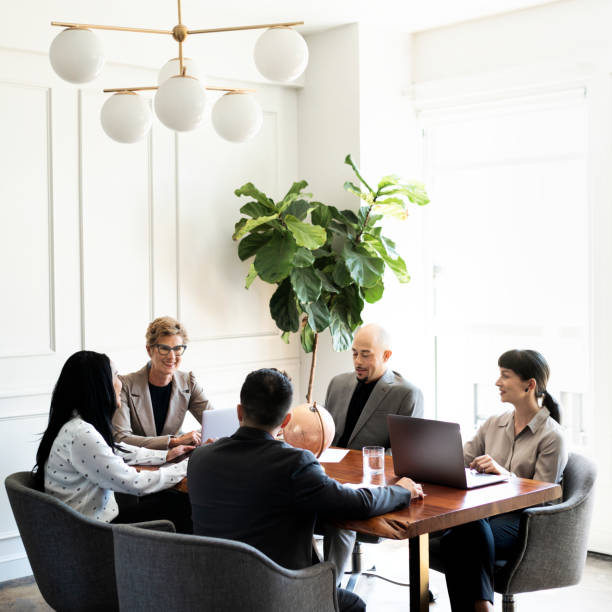
As businesses adapt to new ways of working, designing for collaboration becomes key. Let’s dive into how to create workspaces that support flexible and agile team interactions.
Modular Workstations and Flexibility
In a fast-changing workplace, flexibility is vital. Modular workstations offer the versatility you need
Creating Agile Meeting Zones
Agile meeting zones cater to the modern team's need for quick, effective gatherings. Consider using furniture on wheels for easy reconfiguration. This allows spaces to shift from small huddle setups to larger group meetings swiftly. Include technology like smartboards to facilitate dynamic presentations and brainstorming sessions. By making your meeting zones adaptable, you encourage innovation and quick decision-making. For more designs, check this resource.
Designing Breakout Spaces
Breakout spaces offer a relaxed environment where creativity thrives. These areas should be informal yet functional. Use cozy seating arrangements and vibrant colors to make them inviting. Such spaces are perfect for informal meetings or brainstorming sessions. They also provide a mental break from desk work, refreshing the mind and boosting productivity. A well-designed breakout space can be the breeding ground for your team's next big idea.
Ergonomic and Sustainable Choices

Creating a healthy and sustainable office isn't just trendy—it's essential. Let's explore how ergonomic and green choices can benefit your workspace.
Ergonomic Office Furniture Essentials
Ergonomics is about comfort and health, directly affecting productivity. Ergonomic office chairs with adjustable features support natural posture, reducing fatigue. Desks that allow sitting or standing can further enhance comfort. Investing in these pieces is investing in your team's well-being. By prioritizing ergonomics, you ensure your team remains energetic and focused throughout the day.
Sustainable Office Furniture Options
Sustainability in the office isn't just good for the planet—it resonates with modern values. Opt for furniture made from recycled materials or sustainable wood. These items not only reduce your carbon footprint but also align your brand with eco-friendly practices. Choosing sustainability shows you care about the environment and future generations.
Tips for Office Space Optimization
Optimizing office space is about making every square foot count. Use vertical storage to free up floor space. This approach keeps the office tidy and efficient. Think about multi-functional furniture that serves more than one purpose. For instance, a table that doubles as a meeting spot and a storage unit maximizes utility. The longer you wait to optimize, the more productivity you miss. Make space work for you, not against you.
In conclusion, a well-thought-out office layout isn't just about aesthetics. It's a strategic tool that enhances communication, fosters collaboration, and promotes well-being. By integrating ergonomic and sustainable choices, you create a future-ready workspace. For more on creating inspiring office environments, visit this article.