Ergonomic Zones in Open-Plan Offices: Layouts That Cut Fatigue and Boost Collaboration
Open-plan office ergonomics often get overlooked, leaving employees drained before the day ends. Fatigue and distractions quietly chip away at productivity and well-being. This guide shows how creating distinct ergonomic zones and smart office furniture layouts can reduce fatigue at work and boost collaboration—helping you design a workspace that truly supports your team’s needs. Learn more about creating ergonomic workspaces for employee well-being here.
Creating Ergonomic Zones

Crafting ergonomic zones in your office can transform how your team functions. The focus is on boosting productivity while keeping fatigue at bay. Here's how you can start designing an effective workspace.
Designing Open-Plan Office Ergonomics
Designing an open-plan office goes beyond just placing furniture. Start by considering how your team moves and interacts. Circulation paths are crucial—they guide movement and reduce distractions. Imagine pathways wide enough for two people to pass comfortably, promoting easy navigation. This layout also minimizes noise, a common issue in open spaces.
Next, think about adjacency planning. Position teams or departments needing frequent interaction near each other. This not only saves time but also encourages spontaneous collaboration. Remember, most people think open-plan offices are noisy and distracting, but with smart planning, you can create a space that fosters focus and teamwork.
Key Elements of Office Furniture Layout
The right furniture layout sets the stage for a productive day. Activity-based working is a popular approach. It involves creating varied zones—collaboration zones for teamwork and focus spaces for individual tasks. Use modular desks that you can rearrange easily. This flexibility supports different working styles and needs.
Privacy pods or acoustic booths are great for reducing noise. These compact spaces offer quiet retreats for calls or focused work. Sit-stand desks also play a key role. They encourage movement, which is vital for reducing fatigue. Remember, these changes aren't just about aesthetics; they make your office a hub of productivity.
Enhancing Collaboration and Reducing Fatigue
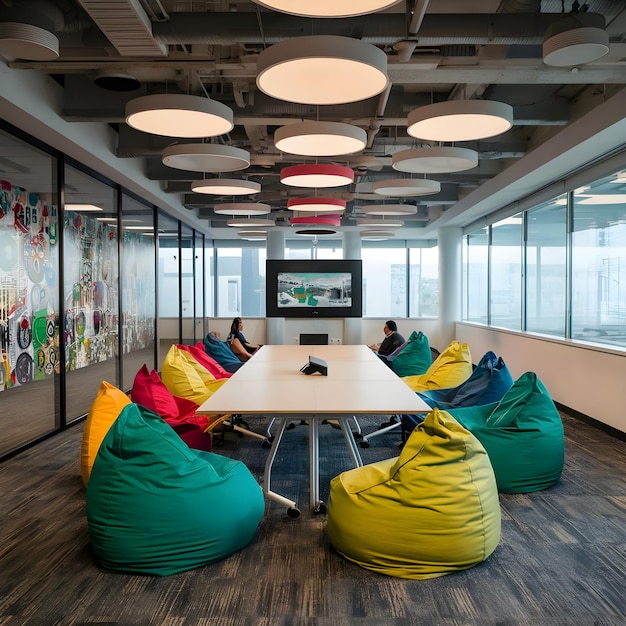
A well-designed office not only looks good but also enhances how your team collaborates and feels. Let's dive into strategies that can help.
Strategies to Boost Collaboration
Collaboration thrives in environments designed for interaction. Start by setting up collaboration zones with comfortable seating and tables
Consider implementing hot desking. This encourages flexibility and interaction among team members. It's a pattern break from the traditional assigned seating, fostering a dynamic work environment. Don't forget to incorporate technology like shared screens for seamless meetings. Learn more about office space planning for better workflow.
Tips to Reduce Fatigue at Work
Reducing fatigue starts with the right furniture and layout choices. Ergonomic office chairs are a must—they support posture and prevent back pain. Encourage regular breaks and movement by installing sit-stand desks. This simple change can improve energy levels significantly.
Introduce elements of biophilic design, like plants and natural light, to create a calming atmosphere. Studies show that nature-inspired designs can reduce stress and improve focus. Moreover, ensure good air circulation for a fresh and healthy environment. The longer you wait to make these changes, the more fatigue impacts your team's productivity and well-being.
Sustainable and Flexible Furniture Solutions

Sustainability and flexibility are not just trends; they're necessities in modern offices. Let's explore furniture solutions that support these concepts.
Benefits of Sit-Stand Desks and Ergonomic Chairs
Sit-stand desks are a game-changer. They allow employees to switch between sitting and standing, promoting movement and reducing sedentary time. This can lead to a 15% increase in productivity. Pair these with ergonomic chairs that offer lumbar support and adjustable features. These chairs help maintain proper posture, essential for long hours of work.
The combination of movement and comfort boosts employee satisfaction and productivity. It's an investment in health that pays off by reducing absenteeism and enhancing performance.
Managing Noise and Privacy with Office Partitions and Acoustic Booths
Noise is a common complaint in open-plan offices, but office partitions and acoustic booths can help. Partitions provide visual barriers that can double as sound absorbers. They help create distinct zones, giving teams the privacy they need without isolating them.
Acoustic booths offer quiet spaces for focused work or private calls. They're compact and can be placed strategically around the office. These solutions support an agile workspace where employees can choose the right environment for their tasks. Explore how to create concentration zones in open-plan offices.
Incorporating these elements into your office design not only improves functionality but also enhances employee well-being. By focusing on ergonomic solutions and flexible layouts, you create a workspace that supports both productivity and sustainability.