Designing Inclusive Office Furniture for Diverse Bodies and Work Styles
Most offices still rely on one-size-fits-all furniture that leaves many employees uncomfortable and less productive. Your team’s diverse bodies and work styles deserve better support tailored to their needs. This guide will show you how inclusive office furniture meets BIFMA, ADA, and WELL standards while boosting comfort and efficiency for everyone. For more insights, visit this resource.
Inclusive Furniture Design Principles

Creating a workspace that suits everyone starts with understanding diverse needs. The right furniture caters to different body types and work habits, ensuring comfort and productivity.
Ergonomic Chairs for All Body Types
Finding the perfect chair is crucial for a comfortable workday. Ergonomic chairs should provide adjustable support. Look for features like adjustable armrests, seat depth, and lumbar support. This helps cater to various body types, from petite to bariatric. One size does not fit all, so consider options tailored for different needs.
For instance, a petite office chair offers lower seat height and shallower seat depth. Meanwhile, a bariatric office chair supports higher weight capacities and larger seat dimensions. This diversity ensures everyone feels supported and comfortable.
Sit Stand Desk Height Range
Sit-stand desks promote movement, improving both health and focus. The key is offering a range that covers the 5th to 95th percentile of users. This means accommodating the heights of almost all employees comfortably.
When choosing a desk, ensure it adjusts smoothly and quietly. The transition between sitting and standing should be seamless, preventing disruption during work. A good desk supports your posture whether you’re sitting or standing, reducing strain over time.
Modular Workstations for Flexibility
Work environments today need to be adaptable. Modular workstations allow for easy reconfiguration, helping teams collaborate or focus individually. They cater to fluctuating team sizes and changing office layouts.
These stations are like building blocks. You can rearrange them to fit your needs, whether for a group brainstorming session or solo work. This flexibility not only maximizes space but also boosts creativity and productivity.
Meeting Standards for All
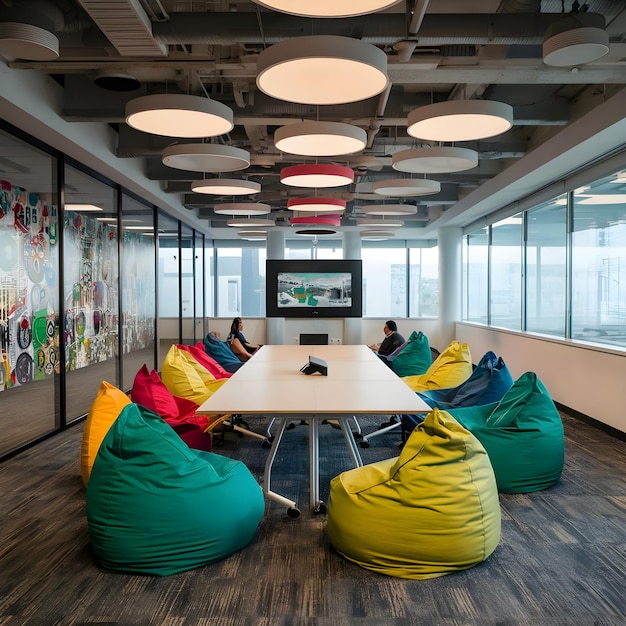
Ensuring your office furniture meets key standards is crucial. These guidelines ensure safety, accessibility, and health-focused design, making your workspace compliant and inclusive.
BIFMA Ergonomic Standards Compliance
BIFMA standards are vital for ensuring ergonomic quality. They set guidelines for furniture that supports healthy postures and reduces injury risks
It’s important to check every chair and desk against these benchmarks. This guarantees each piece is designed with user comfort and safety in mind. Adhering to BIFMA isn’t just best practice; it’s a commitment to your team’s well-being.
ADA Compliant Desks and Accessibility
Accessibility is non-negotiable. ADA compliant desks ensure everyone, regardless of physical ability, can work comfortably. These desks provide ample knee clearance and adjustable heights to accommodate wheelchair use.
Look at your office through the lens of accessibility. Are pathways clear? Is furniture easily reachable? A workspace that considers these aspects fosters inclusivity and empowers every employee to perform at their best.
WELL Ergonomics and Health-Focused Design
The WELL Building Standard emphasizes health and well-being, extending to office furniture. Ergonomic designs that support natural posture can enhance mental and physical health. WELL standards guide you towards creating a workspace that prioritizes employee wellness.
By incorporating WELL principles, you’re not only improving comfort but boosting morale and engagement. A healthier workplace leads to happier, more productive employees, reducing absenteeism and enhancing overall performance.
Creating a Diverse Work Environment

A truly inclusive office supports various work styles and preferences. Thoughtful choices in furniture can cater to different tasks and personal needs, creating an agile and responsive environment.
Activity Based Working Furniture
Activity-based working promotes dynamic spaces tailored to specific tasks. By providing diverse furniture options, you enable your team to choose the best setting for their current project. This can include quiet zones, collaborative spaces, or informal meeting areas.
Hybrid office furniture enhances this flexibility. Pieces that easily transition from one use to another keep the workspace fluid and adaptable. This approach not only supports productivity but also respects individual work preferences.
Acoustic Booths for Offices
Noise control is essential in busy offices. Acoustic booths offer private spaces for concentrated work or confidential calls. These booths act as havens from distractions, improving focus and reducing stress.
Offering these quiet zones shows you understand the need for balance in open-plan offices. Employees can retreat to these spaces when they need to focus, ensuring they remain productive and undisturbed.
Sustainable Office Furniture Choices
Sustainability should be part of every furniture decision. Sustainable office furniture uses eco-friendly materials, reducing environmental impact. This supports global initiatives and aligns with corporate responsibility goals.
Choosing items made from recycled or low-emission materials reflects a commitment to the planet. This not only benefits the environment but also enhances your brand's reputation for sustainability. Implementing these choices inspires confidence and pride in your team and clients alike.
In conclusion, designing an inclusive office means prioritizing variety, comfort, and sustainability. Each decision, from ergonomic chairs to modular workstations, contributes to a productive and welcoming environment. As you plan your office's future, consider how each piece of furniture can enhance the well-being and efficiency of your team.