Designing Movement-Ready Workspaces: Practical Strategies to Reduce Sedentary Behavior
Sitting all day drags down productivity and harms employee well-being. Designing a movement-friendly office design can cut sitting time and boost energy throughout the workday. In this guide, you’ll learn practical ways to reduce sedentary behavior at work using smart layouts and ergonomic office furniture. Ready to create a workspace that moves with your team? Let’s get started.
Creating Movement-Friendly Office Spaces
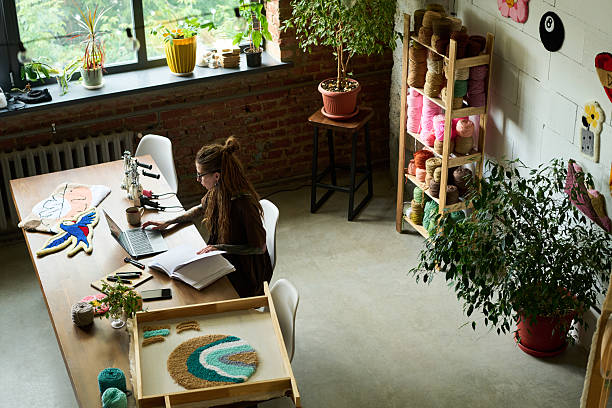
A productive workspace doesn’t just look good; it encourages movement and energy. Movement-friendly office design focuses on this, creating a space where your team stays active.
Smart Layout Choices
Your office layout can make a big difference in how much your team moves. Rearrange workstations and communal areas to promote frequent movement. For instance, place printers and break rooms at a distance to encourage walking. Consider pathways that loop around the office, so employees naturally move more as they go from one area to another. This approach not only reduces sedentary behavior at work but also boosts interaction and collaboration.
Encouraging Employee Mobility
Encouraging your employees to move is easier when they have the right incentives. Introduce walking meetings or stand-up discussions to keep energy levels high. Set up reminders or cues around the office to prompt movement, like signs encouraging stair use or standing breaks. By creating a culture of movement, you’ll support health and productivity across your team.
Active Workstations and Furniture
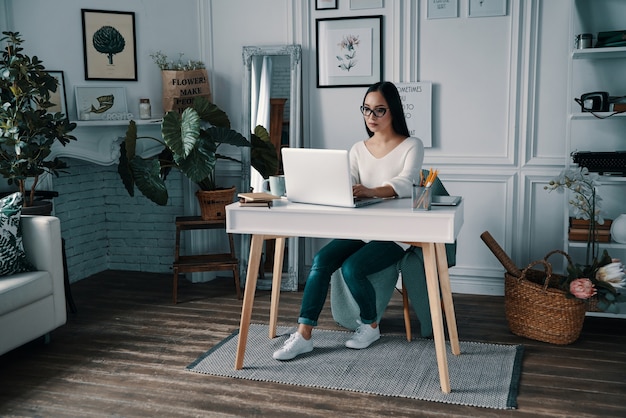
Transforming your office with active furniture can enhance workplace mobility. These furniture choices help make movement a natural part of the workday
Sit-Stand and Height-Adjustable Desks
Sit-stand desks are a game-changer. They allow employees to switch between sitting and standing, reducing the strain of sitting all day. Height-adjustable desks provide flexibility and are easy to modify for different tasks. When employees stand, they engage different muscles and improve blood flow, increasing alertness and focus. Introduce these desks to help reduce sedentary behavior at work and support your team’s well-being.
Benefits of Active Seating
Active seating options, like balance balls or perching stools, keep your core engaged. These seats encourage subtle movements that can strengthen muscles and improve posture. For example, perching stools give a slight forward tilt that helps maintain a natural spine curve. Adding these options can transform the office environment by promoting a healthier sitting posture while keeping your workspace dynamic.
Enhancing Office Wellness

A well-designed office goes beyond desks and chairs. It should include spaces that promote wellness and rejuvenation.
Designing Breakout Spaces
Breakout spaces are not just for casual chats. They provide a dedicated area for relaxation and mental recharge, which is crucial for sustained productivity. Use comfortable seating, natural light, and calming colors to create an inviting environment. Encourage short breaks in these areas to help employees return to their tasks with renewed energy. Incorporating such spaces can elevate both morale and efficiency.
Incorporating Acoustic Booths
In today’s open office settings, acoustic booths offer a retreat for focused work or private conversations. These quiet zones help reduce noise distractions and improve concentration. By adding them, you create a balanced atmosphere that supports both collaboration and deep work. As more companies adopt hybrid workspaces, these booths become essential for maintaining productivity and privacy.
Embrace these strategies to create a movement-friendly office design. Prioritizing mobility and wellness can transform your workplace, enhancing both productivity and employee satisfaction. For more insights, explore this article on encouraging office movement.