The Next Wave of Smart Office Furniture: Technology That Accelerates Productivity
Smart office furniture isn’t just a trend—it’s reshaping how work gets done. Your workspace can now adapt to your team’s needs with tools like connected sit-stand desks and occupancy sensors. This guide breaks down the newest IoT office solutions that improve workplace productivity and support well-being, helping you choose the right pieces for your hybrid work environment.
Smart Office Furniture Innovations

The world of smart office furniture is evolving rapidly, offering new ways to enhance productivity. From desks that change with your needs to chairs that provide real-time feedback, these innovations are transforming workspaces.
Connected Sit-Stand Desks
Imagine a desk that moves with you, adjusting to your work style. Connected sit-stand desks provide flexibility and health benefits. These desks allow you to switch between sitting and standing with ease. Studies show that standing for part of your workday can boost productivity by 15%. They’re not just about movement; they’re about creating a workspace that adapts to you.
These desks often come with features like programmable height settings. This means you can set your preferred heights and switch with a button press. Many models also include reminders to change positions, helping you stay active throughout the day. As more businesses focus on employee well-being, these desks are becoming a staple in modern offices.
Sensor-Enabled Ergonomic Chairs
Ergonomic chairs have long been a cornerstone of comfortable workspaces. But what if your chair could tell you how to sit better? Sensor-enabled ergonomic chairs do just that. They come equipped with sensors that track your posture and provide feedback through a connected app. This real-time guidance can reduce discomfort and improve your posture over time.
Most people think they sit correctly, but these chairs reveal common mistakes. With personalized tips, you can adjust your sitting habits for better health. In addition, some models offer features like adjustable lumbar support and seat depth. These enhancements ensure you’re supported throughout your workday. By investing in smart chairs, companies can foster a healthier, more productive workforce.
Smart Furniture ROI and Selection

Choosing the right smart furniture involves balancing cost and benefits. Businesses need to justify expenses with clear returns. The key is understanding how these investments improve productivity and well-being.
Evaluating Cost versus Benefits
When evaluating smart furniture, consider both immediate and long-term benefits. Initial costs can be high, but the payoff comes in productivity and employee satisfaction. For instance, reducing back pain can decrease absenteeism, saving money on healthcare costs. A study found that ergonomic improvements can lead to a 20% increase in productivity
Think about the indirect benefits too. Enhanced employee well-being boosts morale, leading to a positive work environment. Happy employees tend to be more engaged, and this engagement translates into better performance. Companies must weigh these benefits against initial costs to determine the true value of smart furniture.
Key Selection Criteria
Selecting the best smart furniture requires careful consideration. Start with understanding your workspace needs. Are you looking for desks that adapt or chairs that offer posture feedback? Define your priorities based on your team's specific needs.
Next, evaluate the technology integration. Ensure the furniture is compatible with existing systems and easy to use. It's also crucial to consider durability and warranty. Smart furniture is an investment, so it should be built to last. Finally, think about sustainability. Opt for eco-friendly materials to align with modern environmental goals.
Implementation Best Practices
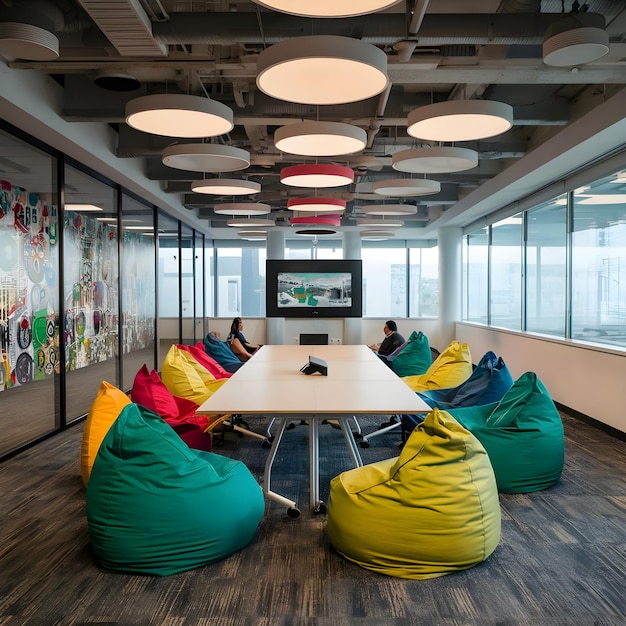
Once you've chosen the right furniture, implementing it effectively is crucial. A smooth transition ensures you reap the full benefits of your investment.
Pilot Approach Steps
Start with a pilot program to test the effectiveness of smart furniture. Here's how you can do it:
Identify the Target Group: Choose a small team or department to trial the furniture. This group should represent a cross-section of your organization.
Set Clear Goals: Determine what you aim to achieve. This might include increased productivity or improved employee well-being.
Gather Feedback: Regularly check in with participants to gather insights and make adjustments.
Evaluate Results: Measure productivity changes and employee satisfaction. Use this data to make informed decisions about wider implementation.
Ensuring Seamless Integration
For seamless integration, communication is key. Educate your team about the benefits and features of the new furniture. Training sessions can help employees understand how to use the technology effectively. Provide resources such as online manuals or workshops.
Address any concerns early on. Some employees might resist change, so highlight the benefits and provide support. Align the new setup with your company's space optimization goals to maximize efficiency. By fostering an open dialogue, you encourage a smooth transition and ensure your investment delivers results.
In conclusion, adopting smart office furniture is an investment in your team's future. It enhances productivity and supports well-being, creating a work environment where everyone thrives. The longer you wait to integrate these innovations, the more your business risks falling behind in workplace efficiency and employee satisfaction.