The Psychology of Office Furniture: How Design Shapes Mood and Focus
Office furniture isn’t just about looks. The right design shapes employee mood and sharpens workplace focus. Understanding office furniture psychology helps you choose pieces that support well-being and productivity every day. Let’s explore practical ways to create a workspace where your team feels energized and focused. For more insights, visit this article.
The Impact of Office Furniture on Mood
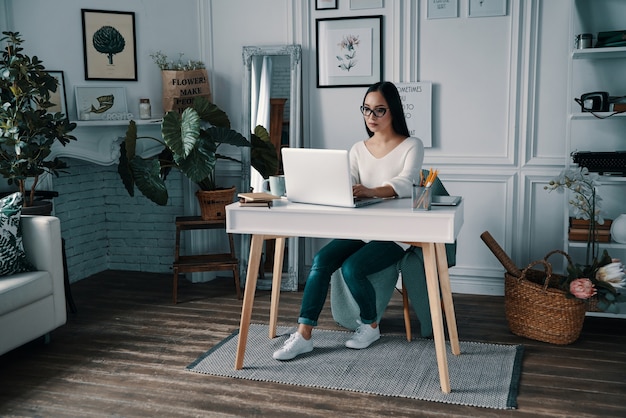
The connection between furniture and mood is profound. Your choices can inspire creativity, calm, or even stress. Let's unpack how thoughtful design decisions boost employee happiness.
Understanding Office Furniture Psychology
Did you know your desk setup can change how you feel at work? Some studies suggest that certain layouts reduce stress. For instance, open spaces with natural light can make you feel more relaxed. A clutter-free office also helps. By minimizing items on your desk, you lower cognitive load. For more on this topic, check out this research.
Enhancing Employee Mood with Design
Design isn't just about aesthetics; it’s about mood. Imagine entering a workspace with neutral colors and soft lighting. This setting can lower anxiety. Adding plants introduces biophilic design, connecting you with nature. It’s like bringing a bit of the outdoors inside, which boosts mood and focus.
Creating Neurodiversity-Friendly Workspaces
Workplaces must cater to diverse needs. Neurodiversity-friendly designs do just that. These spaces provide quiet zones and varied seating. Adjustable lighting ensures comfort for all. This inclusivity supports productivity and well-being. Find out more about accommodating neurodiverse employees here.
Boosting Workplace Focus through Design

Design choices can significantly sharpen focus. The right furniture enables concentration and minimizes distractions. Here’s how to make that happen in your office.
Ergonomic Office Chairs and Focus
A good chair is crucial for focus. Ergonomic chairs support your posture, reducing back pain. When you're not distracted by discomfort, you can concentrate better. These chairs also lower fatigue, keeping energy levels high throughout the day.
The Role of Sit-Stand Desks
Sit-stand desks are gaining popularity. They let you switch from sitting to standing, enhancing blood flow. This change reduces the risk of health issues tied to prolonged sitting. Users report feeling more alert and productive. Curious about the benefits of these desks? Dive deeper with this guide.
Modular Workstations for Productivity
Flexibility boosts focus. Modular workstations adapt to your needs. Whether you need a quiet corner or a collaborative space, these setups deliver. They also offer easy customization, allowing you to create an ideal environment for every task.
Practical Framework for Furniture Choices
Choosing the right furniture requires a strategic approach. Here are key principles to guide your decisions and make the most of your space.
Human-Centered Design Principles
Human-centered design puts people first. It considers their needs and comfort. Prioritize ergonomic features and intuitive setups. This approach ensures that your workspace supports both health and productivity.
Sustainable and Biophilic Design Benefits
Sustainability is no longer optional. Eco-friendly materials are crucial for modern offices. They not only reduce environmental impact but also improve indoor air quality. Incorporating natural elements, like plants and wood, can enhance mood and productivity.
Acoustic Solutions for Open-Plan Offices
Noise is a common issue in open-plan offices. Solutions like acoustic panels or booths can help. These additions reduce distractions, fostering a focused environment. Explore more on effective office design solutions here.
In summary, the right office furniture isn’t just a luxury; it’s a necessity. By focusing on design that enhances mood and concentration, you create a workspace that supports well-being and productivity. Remember, the choices you make today can transform your office into a hub of innovation and efficiency.