Design Principles for Creating Adaptable and Sustainable Workspaces
Most office spaces still force workers to fit the furniture, not the other way around. That mismatch drains energy and hurts productivity every day. Learning how adaptable workspaces with sustainable office furniture and ergonomic design can boost employee well-being will change the way you plan your office for good. For more insights on sustainable workplace design, visit this guide.
Flexible Office Design Essentials
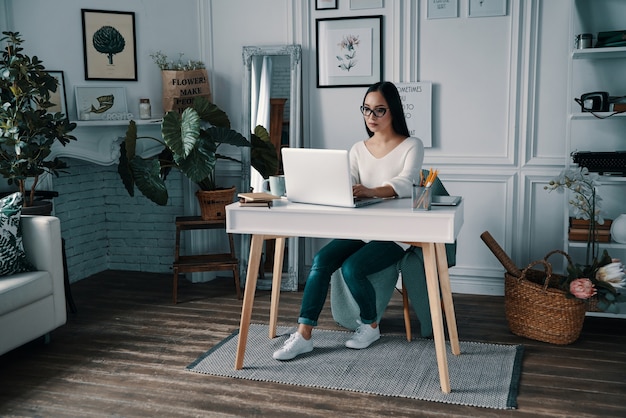
Creating adaptable office spaces can significantly reshape how your team works. Let's dive into how flexible designs can transform work environments.
Adaptable Workspaces in Action
An adaptable workspace allows employees to customize their environment to fit their needs. Consider a simple change: replacing rigid cubicles with adjustable desks. This shift not only boosts comfort but also supports collaboration. Imagine walking into an office where desks can be easily rearranged—your team would no longer feel confined to one setup. This flexibility encourages spontaneous teamwork and creativity.
Adaptability also involves using modular furniture. Picture a meeting room that transforms into a quiet zone. With adaptable workspaces, you can cater to varied tasks throughout the day without needing extra space. Investing in such environments can lead to happy employees, which directly impacts productivity.
Enhancing Workspace Productivity
When you rethink your office design, you enhance productivity. Take open spaces, for instance. They invite interaction, fostering a culture of idea-sharing. Employees aren’t just working—they’re thriving in an environment that supports their goals. Studies show that 70% of employees feel more productive in a flexible workspace.
To further boost productivity, consider incorporating quiet zones. These areas allow for focused work, balancing out the dynamic energy of open spaces. Adapting your office to include both collaborative and focused zones empowers your team to perform at their best.
Sustainable Office Furniture Benefits

Once you’ve embraced adaptable designs, it's time to explore sustainable furniture options. These choices not only benefit the planet but also enhance the workspace.
Eco-friendly Choices for Offices
Sustainable furniture is crafted with the environment in mind. Materials like reclaimed wood and recycled metals are gaining popularity. Not only do they reduce waste, but they also bring a unique aesthetic to your office
Eco-friendly office solutions can also lead to cost savings. Durable materials often mean fewer replacements, reducing long-term expenses. A sustainable choice today supports a healthier planet tomorrow. For a deeper dive into sustainable office design, check out this comprehensive guide.
Ergonomic Design for Employee Well-being
Ergonomics is crucial for employee health. Ergonomic chairs, for example, support posture and prevent discomfort. This is vital since employees spend most of their day seated. 85% of workers report fewer aches when using ergonomic furniture.
An ergonomic workspace goes beyond chairs—it includes adjustable desks and supportive keyboard setups. These elements ensure that your team remains comfortable and focused. By prioritizing ergonomics, you’re investing in your team’s long-term health and productivity.
Modern Office Solutions Implementation
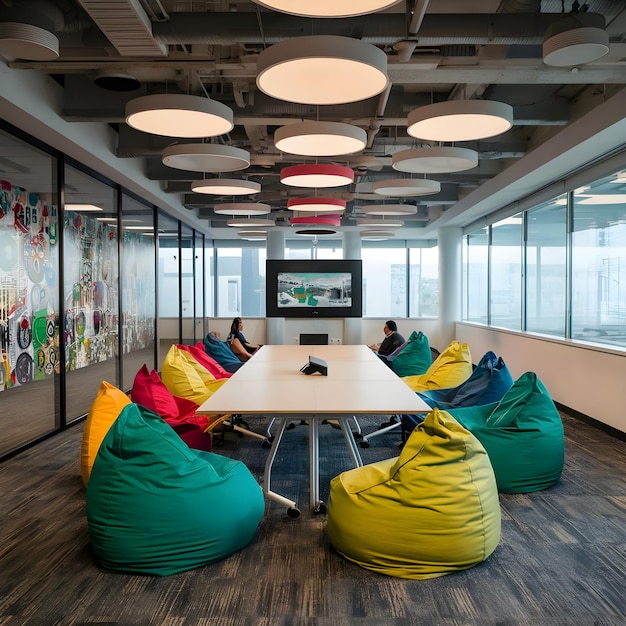
Implementing modern solutions means integrating technology and embracing new design trends. These elements work together to create future-ready offices.
Integrating Technology and Flexibility
Modern offices thrive on technology integration. Think of smart desks with wireless charging or conference rooms equipped with advanced video conferencing tools. Such features streamline work processes and enhance flexibility.
Implementing these solutions requires thoughtful planning. Start by assessing your current tech needs, then choose solutions that align with those requirements. The result is a workspace that supports digital collaboration and adapts to technological advancements. Explore how sustainability integrates with high-performance spaces here.
Trends in Sustainable and Adaptable Design
Sustainability and adaptability are at the forefront of office design trends. Companies now favor designs that blend home comfort with office functionality. This includes using natural lighting and incorporating plants to improve air quality.
Another trend is the use of quiet pods for focused work. These pods provide privacy in open-plan offices, supporting both concentration and collaboration. Embracing such trends keeps your workspace relevant and inviting. Learn more about the future of green design and its impact on well-being here.
By adopting these principles, you create a workspace that’s not only adaptable and sustainable but also enhances productivity and employee satisfaction.