Assessing Office Furniture Ergonomics: A Guide for Diverse Employee Needs
Many offices still choose furniture without considering how it affects employee well-being. This oversight leads to discomfort, reduced focus, and lower office productivity. Learning how to assess ergonomic office furniture for diverse employee needs can change that—creating workspace solutions that support every individual while boosting overall performance. Let’s explore practical steps to get it right. For more insights, visit this resource.
Understanding Ergonomic Office Furniture

Choosing the right office furniture can transform a workspace. Ergonomics plays a crucial role in supporting both productivity and well-being.
Importance of Ergonomics in the Workplace
Ergonomics isn't just a trend; it's a necessity. Properly designed furniture helps prevent injuries and boosts morale. Studies show that 65% of employees report fewer health issues when using ergonomic furniture. This means fewer sick days and more consistent productivity.
Investing in ergonomics means investing in your team's health. When employees are comfortable, they focus better. This leads to higher output and a positive work atmosphere. People often overlook how physical comfort ties to mental clarity, but once you address it, the results are clear.
Key Features of Ergonomic Chairs
A good chair is more than a seat. It's a foundation for daily work comfort. Look for features like lumbar support and adjustable arms. These ensure that each user can set their chair to fit their body perfectly.
Height adjustability is essential, allowing feet to remain flat on the ground. Seats should swivel easily to prevent unnecessary strain. And breathable materials help keep users cool throughout the day. These features combined make a chair truly ergonomic, supporting long-term health and productivity.
Choosing the Right Desk for Employee Needs
Desks aren't one-size-fits-all. Consider desks with adjustable heights. These let users switch between sitting and standing, which can improve concentration and reduce back pain.
Different tasks may require different setups. For instance, a graphic designer might need more space for equipment, while a writer might prefer a minimalist setup. Understanding these diverse needs ensures that each employee has the best possible environment to excel. Find more ideas on inclusive office design here.
Evaluating Employee Well-Being and Productivity
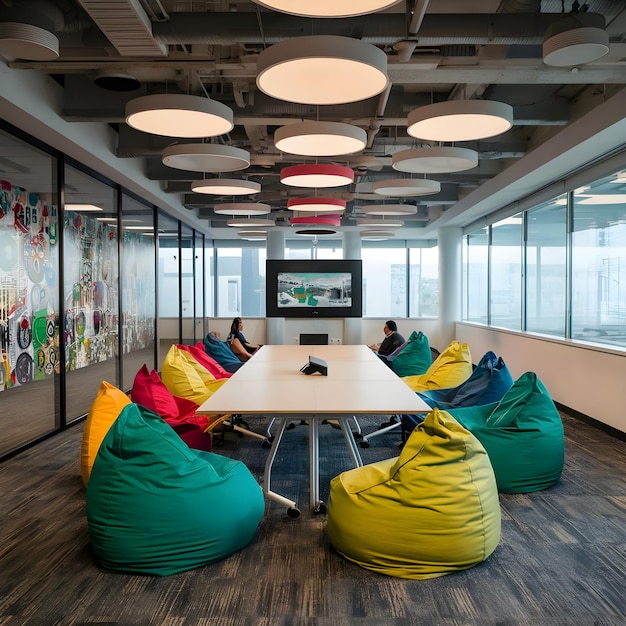
The right furniture is just part of the equation. To truly enhance productivity, understanding its impact on well-being is key.
Impact of Furniture on Employee Well-Being
Furniture affects more than just physical comfort. It impacts mental health too. Poor setups can lead to stress and fatigue. But ergonomic solutions can create a more positive work environment
When employees feel physically supported, their mental well-being improves. This leads to better performance and job satisfaction. It's a simple change with far-reaching effects. By prioritizing well-being, you send a message that your team matters.
Boosting Office Productivity with Ergonomic Solutions
Did you know ergonomic setups can increase productivity by 25%? It's true. When employees aren't distracted by discomfort, they focus better on tasks. This leads to more efficient work and higher quality output.
Ergonomic furniture reduces unnecessary movements and awkward postures. This conserves energy and prevents fatigue. When employees feel energized, their productivity naturally spikes. It's a win-win for both the team and the company.
Identifying Diverse Employee Needs
Not everyone works the same way. Recognizing this is crucial for creating an inclusive workspace. Some employees may need specialized equipment, while others might prefer flexible options.
Conduct surveys or one-on-one meetings to understand individual needs. This personal approach ensures that every employee feels valued and supported. With the right setup, each team member can perform at their best. Discover more about diversity and ergonomics here.
Implementing Workspace Solutions

Now that we've explored the importance of ergonomics, let's look at how you can implement these solutions effectively.
Assessing Current Office Furniture
Start by evaluating what you currently have. Is your furniture promoting health, or is it time for a change? Look for signs of wear, lack of adjustability, or discomfort complaints from employees.
Take a systematic approach to assess each piece. Identify what's working and what's not. This will help you prioritize changes and make informed purchasing decisions.
Upgrading to Smart Furniture Options
Smart furniture is the future. These pieces come with features like built-in charging ports or automatic height adjustments. They make life easier and can help streamline workflows.
Consider technology-integrated solutions for a modern office. These can improve collaboration and efficiency. Investing in smart furniture sends a message that your office is future-ready and committed to innovation.
Customizing Solutions for Maximum Comfort
Customization is key to comfort. Allow employees to adjust their workstations to their needs. This flexibility supports individual preferences and promotes satisfaction.
When employees have a say in their environment, it boosts morale. They feel more invested and engaged. Offering personalized solutions fosters a supportive and productive workplace culture. For more on creating inclusive workspaces, check out this article.
In conclusion, by understanding and implementing ergonomic solutions, you can create a workspace that caters to diverse needs, enhances well-being, and boosts productivity. Prioritize comfort and adaptability to ensure your team thrives in a supportive environment.