The Science Behind Ergonomic Design: Why It Matters in Modern Workspaces
Most offices still overlook how much ergonomic design shapes employee health and output. You might notice tired backs and distracted minds, all tied to poorly chosen office furniture. This post breaks down why ergonomic solutions matter in modern workspaces—and how smart choices can boost both productivity and well-being. For more insights, visit this resource.
Understanding Ergonomic Design

In a world where office hours stretch long, the design of your workspace becomes vital. But what makes ergonomic design so crucial? It's more than just a buzzword—it's a game-changer for daily work life.
Benefits for Employee Well-being
Imagine sitting at a desk all day, feeling discomfort creeping into your back and neck. This is where ergonomic design steps in. By supporting the body's natural postures, it minimizes strain and discomfort. For instance, ergonomic chairs with adjustable features can reduce back pain by 40%. When discomfort is reduced, employees feel more comfortable, which boosts focus and morale.
Choosing the right ergonomic setup can also prevent long-term injuries. Sitting in a poorly designed chair for hours can lead to chronic issues, like repetitive strain injuries. Ergonomic furniture alleviates these risks, promoting a healthier environment. Employees can then concentrate on tasks without the constant distraction of pain or discomfort.
Enhancing Productivity in Offices
A comfortable employee is a productive employee. When you invest in ergonomic design, you pave the way for increased output. How? The answer lies in enhanced focus and reduced fatigue. With fewer physical distractions, employees can channel their energy toward work.
Studies show that ergonomic improvements can lead to a 20% increase in productivity. This is because employees spend less time adjusting their posture or getting up to relieve discomfort. Instead, they stay engaged and efficient, completing tasks with greater speed and accuracy.
Key Elements of Modern Workspaces
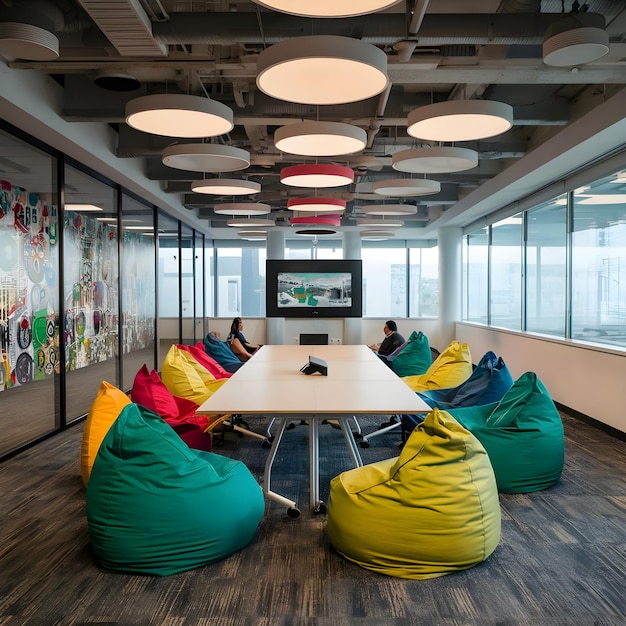
Crafting a modern workspace isn't just about aesthetics. It's about incorporating elements that serve the dual purpose of comfort and efficiency. Let's delve into the essentials.
Importance of Ergonomic Chairs
The chair is the cornerstone of any office setup
Adjustments such as height, armrests, and seat depth ensure that each user can tailor the chair to their unique needs. This personalization leads to better posture, reducing the likelihood of developing musculoskeletal problems. Moreover, comfortable seating arrangements can improve mood and concentration, enhancing overall productivity.
Choosing Sustainable Furniture
Modern offices are now leaning toward sustainability, and furniture plays a big role. Opting for eco-friendly materials not only benefits the planet but also aligns with company values. For example, using recycled materials and low-emission products can reduce the office's carbon footprint.
Additionally, sustainable furniture often boasts durability, meaning fewer replacements and less waste over time. Bamboo desks or chairs made from recycled metals are excellent choices. This approach not only supports environmental goals but also showcases a commitment to responsible business practices, enhancing brand reputation.
Improving Office Furniture Selection
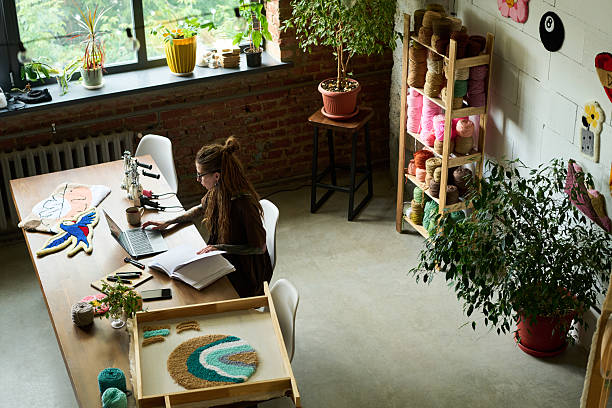
Choosing the right furniture for your office can seem overwhelming. However, with a strategic approach, you can make choices that benefit both your employees and your bottom line.
Tips for Workspace Optimization
Optimizing your workspace starts with understanding its needs. Begin by assessing the space and identifying the key areas that require improvement. Here are some steps to guide you:
Assess Needs: Determine what your team requires for comfort and efficiency.
Plan Layout: Arrange furniture to maximize space and ensure easy movement.
Incorporate Flexibility: Choose modular furniture that can adapt to changing needs.
By focusing on these aspects, you can create a workspace that enhances productivity and well-being. 75% of employees report higher satisfaction in well-organized environments.
Balancing Aesthetics and Functionality
It's not enough for office furniture to look good—it must also serve its purpose. Striking the right balance between aesthetics and functionality can transform your workspace. A visually appealing office boosts morale and can impress clients. At the same time, functional furniture ensures that employees can perform their tasks efficiently.
When choosing office decor, consider items that offer dual benefits. For instance, a stylish partition can create privacy while adding to the office's design. Select pieces that reflect your brand's personality, creating a cohesive and inviting atmosphere.
To wrap up, ergonomic design is more than a trend; it’s an essential component of modern workspaces. By focusing on ergonomic and sustainable solutions, businesses can foster healthier, more productive environments. For more detailed insights into ergonomic design, check out this informative article.