Future Trends in Office Furniture: Ergonomics, Sustainability, and Smart Tech for Optimal Workspaces
Office furniture trends 2026 are shifting fast, and your workspace can’t afford to fall behind. When ergonomics meets sustainability and smart tech, the result is a healthier, more productive office that adapts to your team’s needs. This guide breaks down what matters most—and how to choose furniture that supports well-being and efficiency at every step. For more insights, visit this link.
Ergonomics in Office Furniture
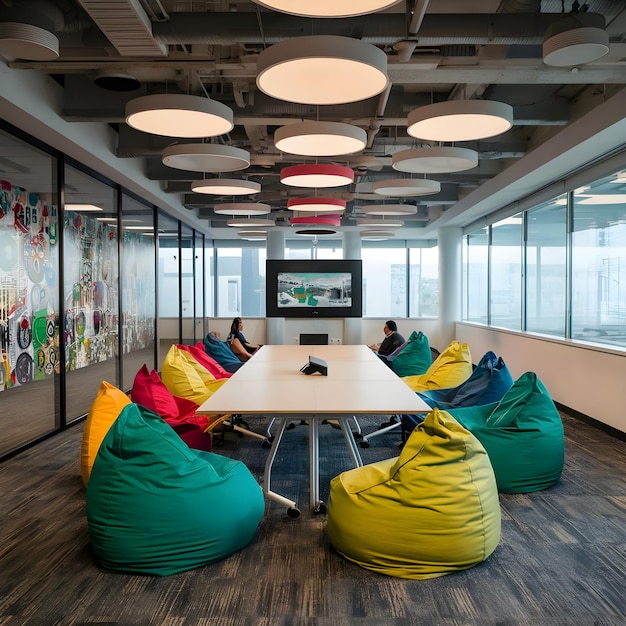
To keep up with the rapid changes in office furniture trends, understanding the role of ergonomics is crucial. A well-designed workspace enhances comfort and boosts productivity.
Benefits of Ergonomic Chairs
Ergonomic chairs are a staple in modern offices. They provide comfort and promote good posture. Did you know? Employees spend nearly 8 hours sitting each day. This makes chair choice critical. Ergonomic chairs offer lumbar support and adjustable features to fit different body types.
Consider the benefits: reduced back pain, increased focus, and fewer sick days. When employees feel good, they work better. These chairs are an investment in your team's health. For more ergonomic insights, explore this article.
Importance of Sit-Stand Desks
Sit-stand desks are revolutionizing the workspace. They allow for easy transitions between sitting and standing. This flexibility can reduce fatigue and improve circulation. In a typical 9-5 workday, standing for just part of the day can make a big difference.
These desks encourage movement, which is vital for health. Less sitting time can lead to a more energetic workforce. As more offices adopt this trend, those without it risk falling behind. The future of office furniture includes more sit-stand options.
Enhancing Office Ergonomics
Ergonomics goes beyond chairs and desks. Accessories such as monitor stands and keyboard trays can also enhance comfort. By adjusting the height and angle of screens, you can reduce eye strain. Remember, even small changes matter.
Here's the key insight: Ergonomics in office design isn't just a trend—it's a necessity. To stay competitive, integrate these elements into your workspace. Explore more about office ergonomics.
Sustainability and Eco-friendly Materials
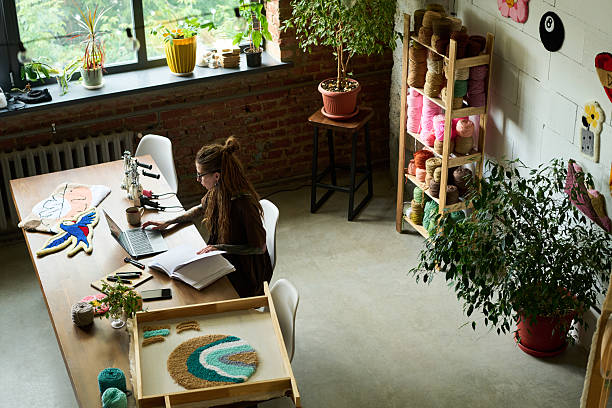
Shifting from ergonomics, sustainability in furniture is becoming a priority
Choosing Sustainable Office Furniture
Sustainable furniture choices can significantly impact your office's carbon footprint. Look for products made from recycled or renewable materials. Bamboo and reclaimed wood are popular choices. They are durable and have a low environmental impact.
Selecting sustainable office furniture reflects a commitment to corporate responsibility. This choice can enhance your brand image and attract eco-conscious clients. For comprehensive advice on sustainable options, check out this resource.
LEED and WELL Building Standards
Adhering to LEED and WELL standards can elevate your office's sustainability credentials. These guidelines focus on energy use, air quality, and materials. They ensure your workspace is both environmentally friendly and healthy for employees.
Implementing these standards can lead to cost savings through energy efficiency. Plus, they can increase property value. It's a win-win for business owners looking to make a positive impact.
Eco-friendly Materials in Office Design
Using eco-friendly materials is not just a trend; it's a movement. Materials like recycled metals and low-VOC finishes are key. They reduce pollution and improve indoor air quality.
Here's a challenge: Green materials can sometimes cost more upfront. But consider the long-term benefits—healthier employees and lower environmental impact. Eco-friendly choices are an investment in the future.
Smart Technology for Modern Workspaces
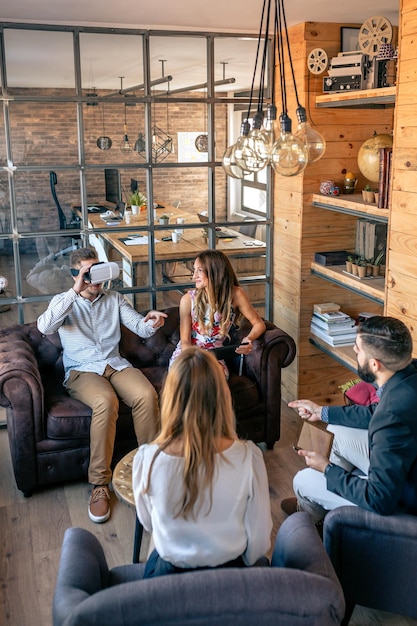
Smart technology is transforming how we work. Integrating tech with office furniture can create dynamic and efficient workspaces.
Features of Smart Office Desks
Smart office desks are equipped with tech features like wireless charging and USB ports. These desks support digital work environments, making them a must-have for tech-savvy offices.
These features enhance convenience and productivity. With built-in cable management, your workspace stays tidy, reducing distractions. As technology advances, expect even more innovations in desk design.
Integrating Modular Workstations
Modular workstations offer flexibility. They can be reconfigured to suit changing needs, making them ideal for dynamic work environments. Whether for a growing team or a new project, modular furniture adapts easily.
These workstations support collaboration and privacy. They are perfect for hybrid workspaces, where teams need to quickly switch between tasks. Modular designs are the future of office layouts.
Acoustic Booths and Hybrid Workspaces
Acoustic booths are crucial in hybrid workspaces. They provide quiet areas for focused work and virtual meetings. As open-plan offices become more common, these booths offer much-needed privacy.
Most people think open spaces are enough, but acoustic booths prove otherwise. They reduce noise and improve concentration. For hybrid work models, these booths are indispensable.
In summary, embracing trends like ergonomics, sustainability, and smart technology will keep your workspace ahead of the curve. Invest in these areas to enhance productivity and well-being. By doing so, you ensure your office is ready for the future.