The Psychological Impact of Office Furniture Colors and Design on Employee Well-being
Office furniture colors and design shape more than just your office’s look—they influence mood, stress, and teamwork every day. When your workspace supports focus and reduces tension, employee productivity rises naturally. This guide breaks down office color psychology and design strategies, helping you create zones that boost well-being and collaboration. Ready to make your office a place where people thrive? Let’s explore the key choices that make a measurable difference. Read more about color psychology in office design.
The Influence of Color on Mood and Productivity
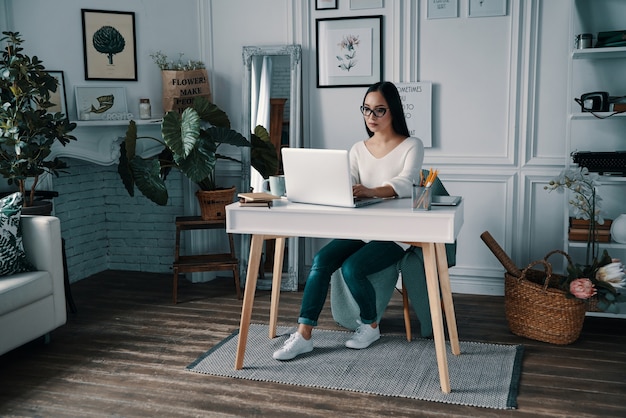
Colors are more than decor; they affect how we feel and work. This section reveals how your office's color palette can impact mood and productivity.
Office Color Psychology Explained
Color psychology is your secret weapon for a happier workplace. Each color brings its vibe. Blue can calm, while yellow can energize. For example, a study showed 60% of workers felt more productive in a blue office. You can mix colors for different areas. Use calming hues in places for focus. Brighter shades fit well in creative zones. Learn more about color's effect on workers' mood and productivity.
Stress Reduction at Work through Color
Imagine reducing stress just by changing colors. Soft greens and blues are known to relax. They can lower stress levels and create a calming atmosphere. For instance, a workspace with green walls can feel like a breath of fresh air. This lowers tension and helps employees feel at ease. A peaceful setting means employees can concentrate better and feel less overwhelmed.
Focus and Concentration with Effective Palettes
Did you know that certain colors can sharpen focus? Keeping tasks in mind is easier with the right shades. Neutral colors like gray or beige enhance concentration. You can also use bold colors like red for creative tasks. These can spark ideas and boost energy. Choosing the right palette helps create an environment where your team can thrive.
Designing for Employee Well-being
Your office design should do more than look good. It must support well-being. Here's how to begin your journey toward a healthier workplace.
Ergonomic Office Design Essentials
When it comes to ergonomics, comfort is key. Ergonomic chairs and desks support posture and reduce strain. For example, adjustable chairs can prevent back pain. Good design helps employees work comfortably for hours
The Role of Biophilic Design
Bringing nature indoors does more than beautify. Biophilic design uses plants and natural elements to enhance well-being. Plants can boost mood and clean the air. A study found that office plants can improve creativity by 15%. Adding natural light and greenery creates a refreshing space. Employees feel more connected to nature, which can reduce stress. Find out about the benefits of biophilic design.
Acoustic Office Solutions for Quiet Zones
Noise can disrupt focus. Acoustic solutions like panels and carpets reduce sound. Quiet zones enable deep work. Consider adding soundproof booths for phone calls. These create private spaces and minimize distractions. Quiet environments allow employees to focus and feel less stressed.
Modern Office Furniture Trends
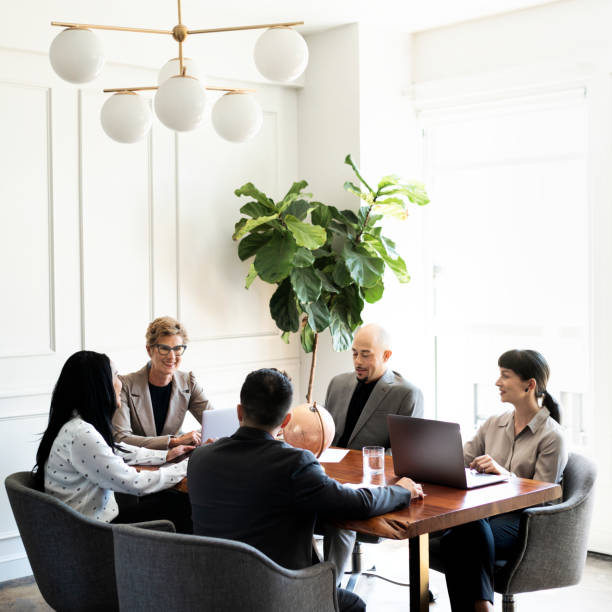
Staying updated with trends keeps your workspace fresh and functional. Let's explore the latest in office furniture.
Modular Workstations and Office Partitions
Flexibility is crucial. Modular furniture allows you to change layouts effortlessly. Partitions create private areas without permanent walls. This adaptability supports collaboration and focus. You can rearrange spaces to suit different tasks. Modular workstations help teams adapt quickly to new challenges.
Sustainable Office Furniture Choices
Sustainability is not just a trend; it's a necessity. Choosing eco-friendly furniture supports the planet. Look for materials like reclaimed wood or recycled metal. Sustainable choices often mean better quality and durability. Customers value businesses that care for the environment. Align your office with global green initiatives.
Hybrid Workplace Design Concepts
Workplaces today need to accommodate hybrid models. Hybrid designs blend home and office comforts. Cozy lounges and flexible desks suit remote and in-office employees. This design is adaptable to different needs and fosters collaboration. Offering varied workspaces supports different work styles.
The longer you wait, the more your office might fall behind modern trends. Consider how these insights can elevate your workspace today.