Sustainable Office Furniture: Key Materials and Practices for Eco-Friendly Workspaces
Sustainable office furniture shapes more than just your workspace; it influences your team’s health and your company’s environmental impact. Choosing materials like FSC-certified wood, bamboo desks, and recycled aluminum frames can reduce your carbon footprint without sacrificing style or function. This guide breaks down key materials, certifications, and circular practices that help you create an eco-friendly office with confidence. Stay ahead with solutions that support well-being and sustainability in every detail. Learn more about sustainable choices in furniture design here.
Essential Sustainable Materials
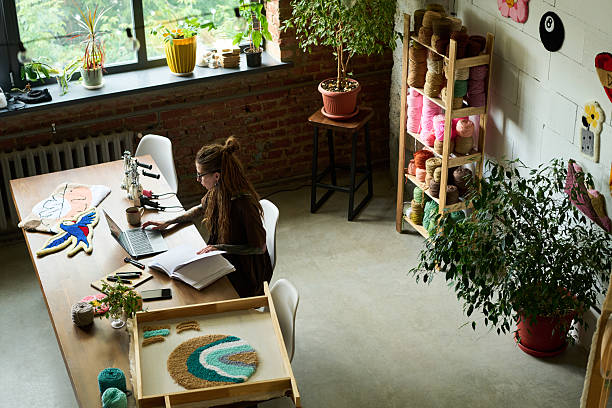
Choosing the right materials for your office furniture is crucial. Not only do they affect aesthetics and durability, but they also play a role in your environmental footprint. Here's how you can make informed choices.
Benefits of FSC-Certified Wood
FSC-certified wood is a top choice for eco-conscious offices. Why? Because it ensures that the wood comes from responsibly managed forests. This certification helps protect biodiversity and supports local communities. Plus, it offers peace of mind that your furniture meets environmental standards.
Imagine a conference table made from this wood. It's not just beautiful, but it also tells a story of sustainability. Using FSC-certified wood can significantly cut down on deforestation, giving you a stylish and eco-friendly workspace. Many businesses are switching to it for these reasons.
Advantages of Bamboo Desks
Bamboo is another excellent material. It grows quickly, making it a renewable resource. Its strength is comparable to steel, which means your bamboo desk will last. Additionally, bamboo has a sleek look that suits modern offices.
Consider the benefits: a bamboo desk not only looks good but also supports low-impact living. You'll find that it aligns with both aesthetic and functional needs. This makes bamboo an ideal choice for businesses aiming for sustainability. To explore more on this topic, check out these insights on eco-friendly furniture design.
Recycled Aluminum and Steel Frames
Recycled aluminum and steel are game-changers in office design. They provide durability while reducing waste. Using these metals supports recycling efforts, cutting down on energy use by up to 95% compared to new materials.
Picture an office chair with a recycled aluminum frame. It’s lightweight, sturdy, and eco-friendly. Choosing recycled metals means investing in furniture that lasts. Plus, it shows a commitment to a sustainable future—a choice more businesses are making every day. Learn more about popular eco-friendly materials here.
Eco-Friendly Certifications
Beyond materials, certifications ensure your furniture is truly green
Understanding Greenguard Gold
Greenguard Gold certification ensures low chemical emissions. This means better indoor air quality for your workspace. Offices with Greenguard Gold furniture often report fewer health complaints.
Imagine breathing easier knowing your office is free from harmful chemicals. This certification helps protect employee health while supporting sustainable practices. Many companies choose Greenguard Gold products for these reasons—it's a smart move for any business.
Importance of BIFMA LEVEL Certification
BIFMA LEVEL certification goes beyond environmental standards. It assesses the social and economic aspects of furniture production. This ensures that sustainability is comprehensive, covering materials, energy, and human rights.
Think of BIFMA LEVEL as a holistic approach to eco-friendly furniture. It reassures you that your purchases support ethical and sustainable practices. Businesses seeking comprehensive sustainability should prioritize this certification.
Role of EPD Furniture
EPD furniture provides transparency about environmental impacts. An Environmental Product Declaration (EPD) shares data on a product's life cycle. This helps you make informed choices based on real numbers.
Consider an EPD as a report card for sustainability. It informs your decisions, ensuring your office furniture aligns with eco-friendly goals. More businesses are relying on EPDs to meet their green targets.
Circular Economy Practices
Sustainable offices don't just rely on materials—they embrace circular economy practices. These methods help extend the life of furniture and reduce waste.
Modular Workstations and Ergonomic Chairs
Modular workstations and ergonomic chairs are keys to flexibility. They adapt to changing needs, supporting both comfort and productivity. Plus, these designs often use sustainable materials.
Picture a modular setup that grows with your team. It meets ergonomic standards while reducing waste through adaptability. This approach embodies circular economy values, making it a favorite for eco-conscious offices.
Take-Back Programs and Remanufactured Options
Take-back programs and remanufactured furniture keep items out of landfills. These initiatives refurbish and recycle used pieces, giving them a second life.
Imagine trading in old chairs for revamped ones. This not only saves resources but also supports a sustainable loop. Businesses love this option for its cost-effectiveness and low environmental impact.
Low-VOC Finishes and Acoustic Solutions
Low-VOC finishes improve indoor air quality by reducing harmful emissions. Acoustic solutions, like panels made from recycled PET felt, enhance privacy and comfort.
Think of a workspace that's quieter and healthier. Low-VOC finishes and acoustic solutions make it possible. These choices support well-being and productivity, key goals for modern offices. Discover more about sustainable choices for comfortable workspaces here.
By integrating these sustainable materials, certifications, and practices, you can create an eco-friendly office that supports both the planet and your team.